Science Lab Test: Showcases Students’ Practical Skills
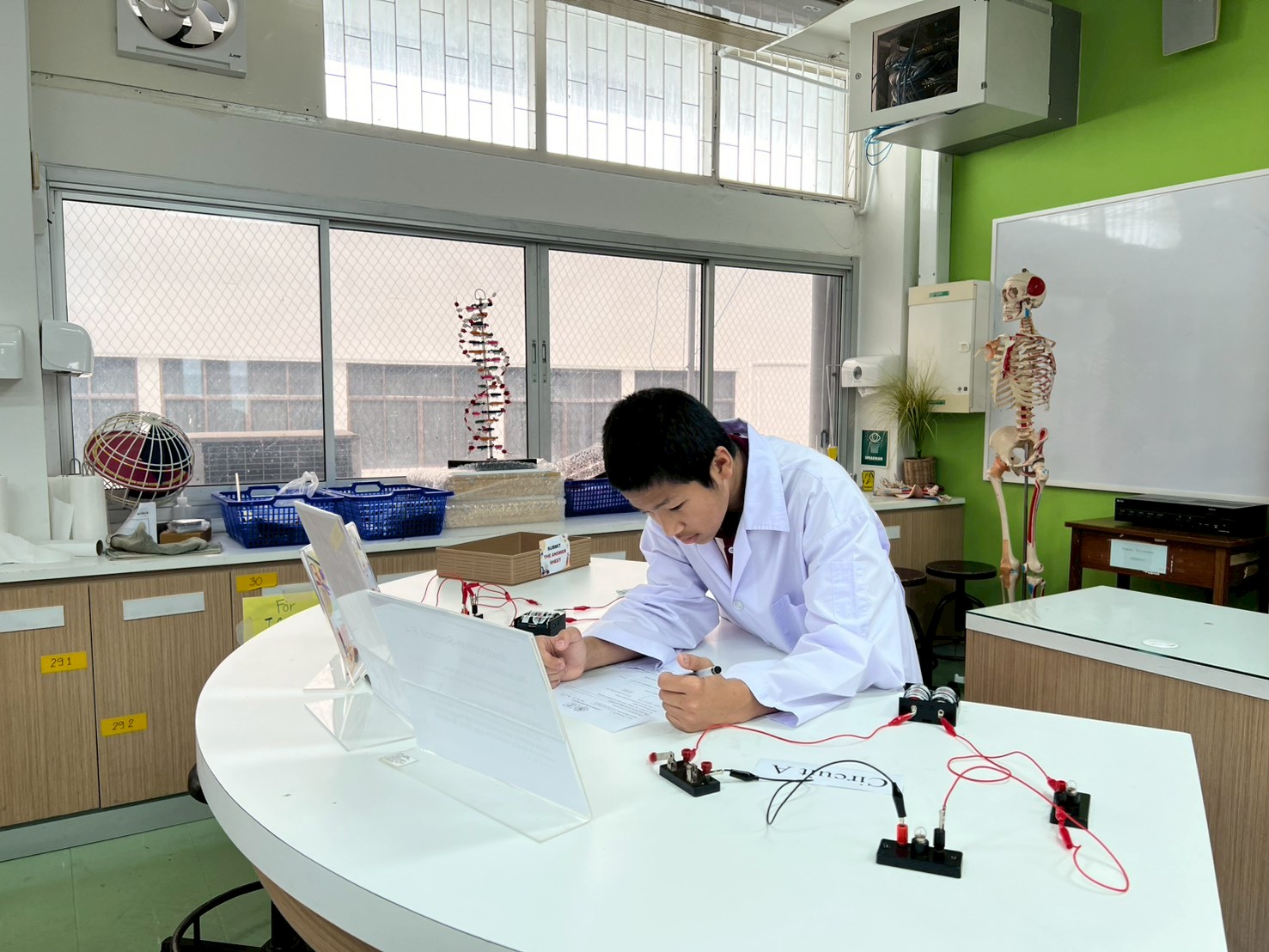
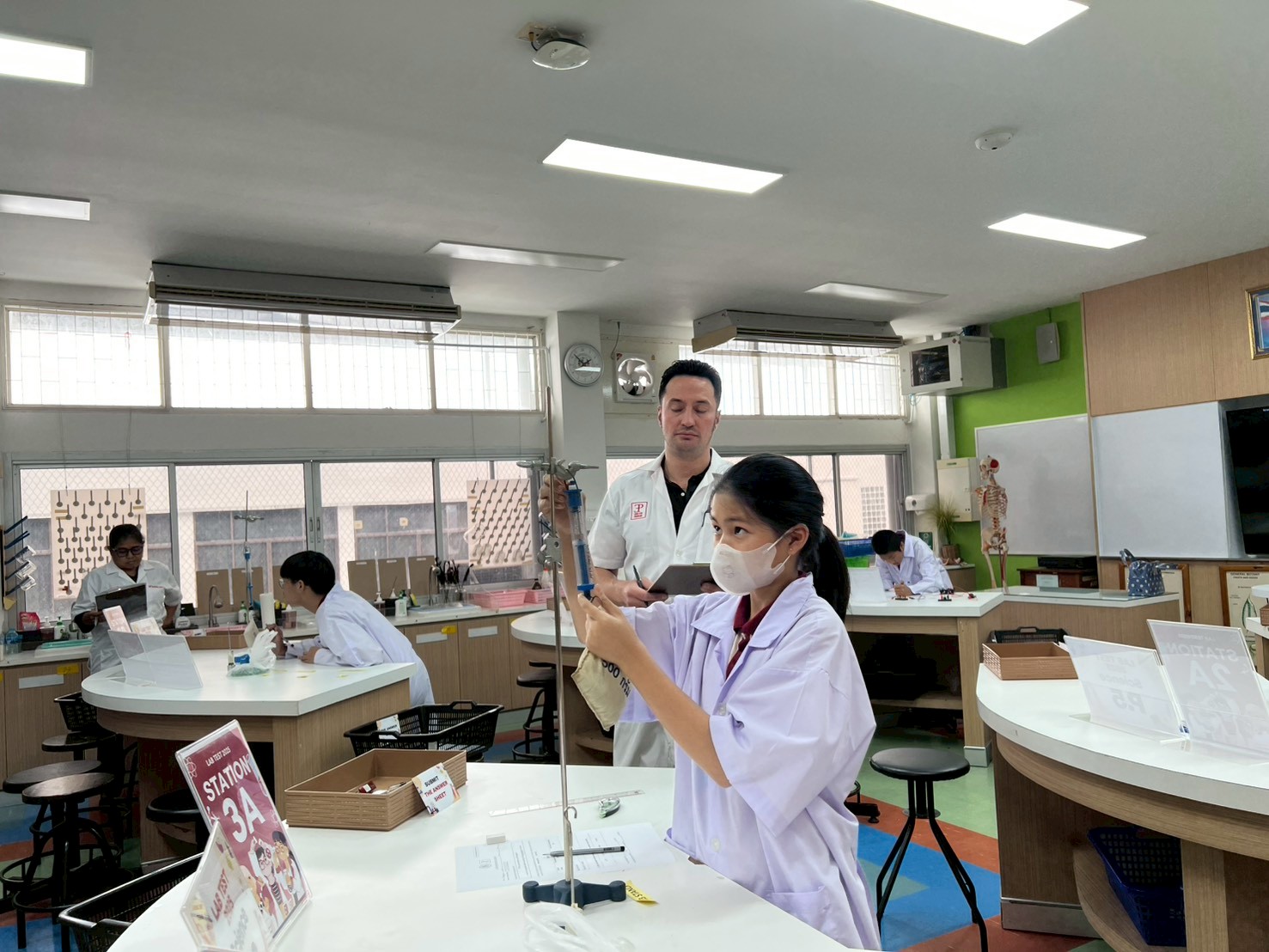
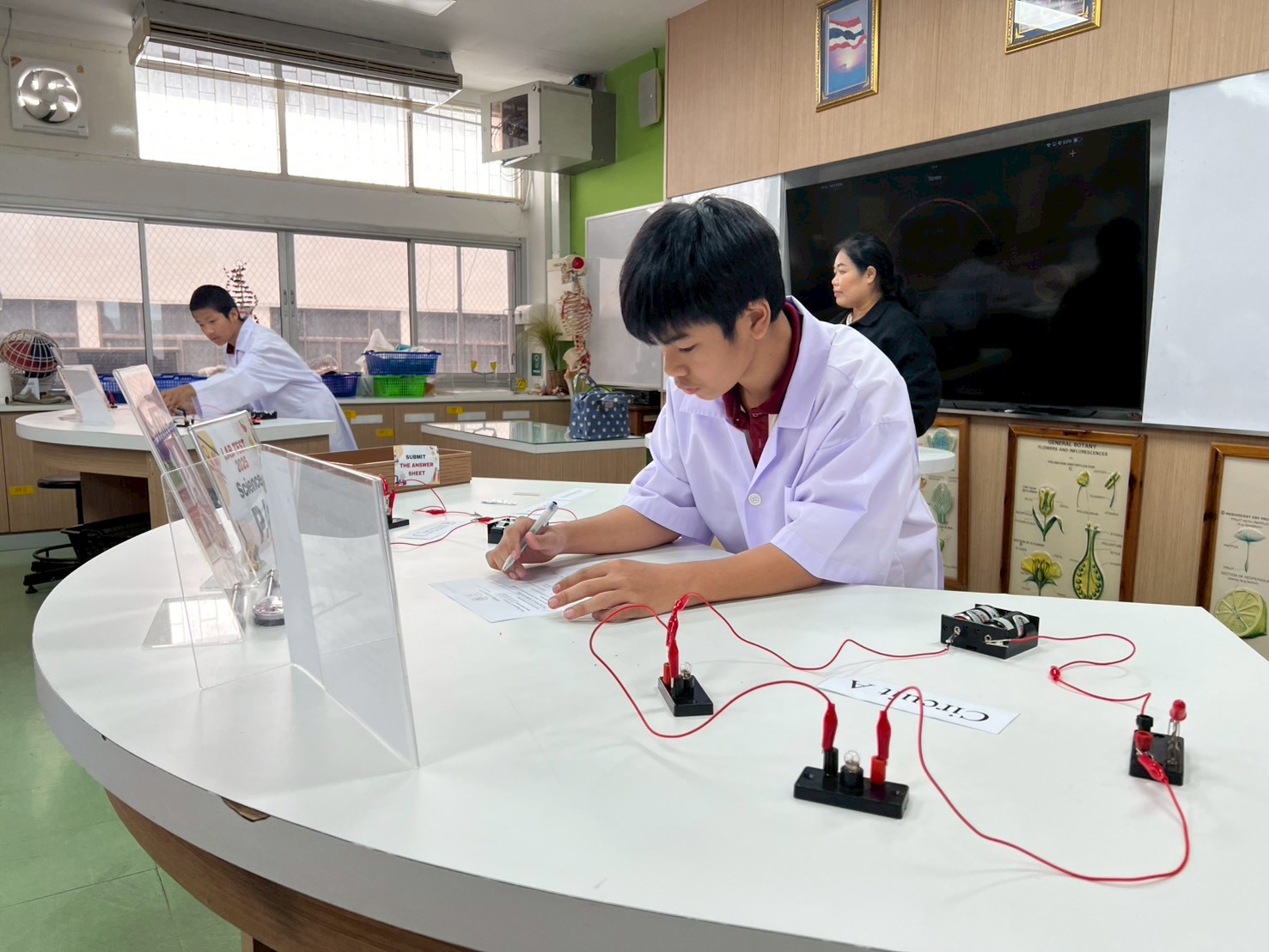
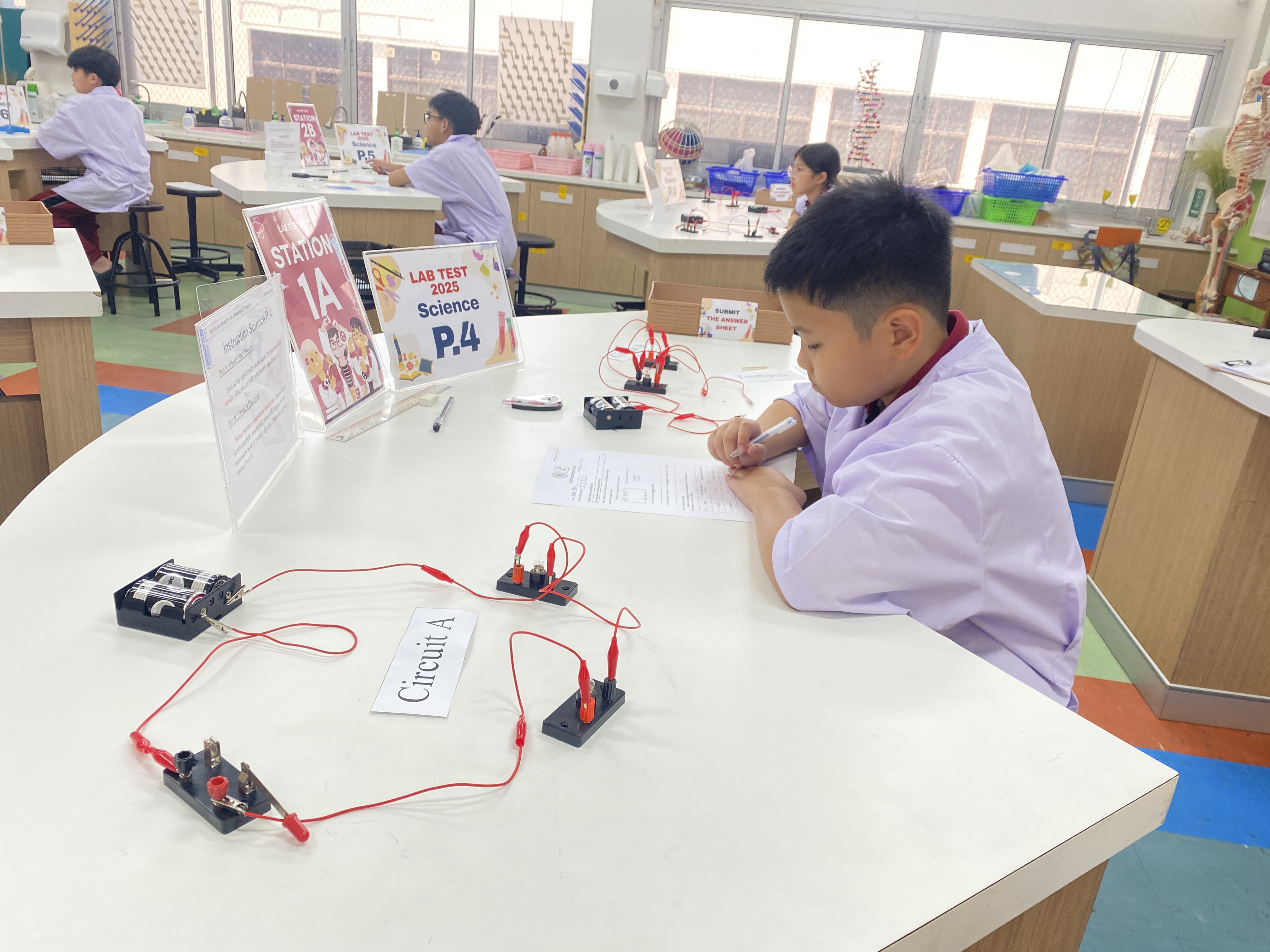
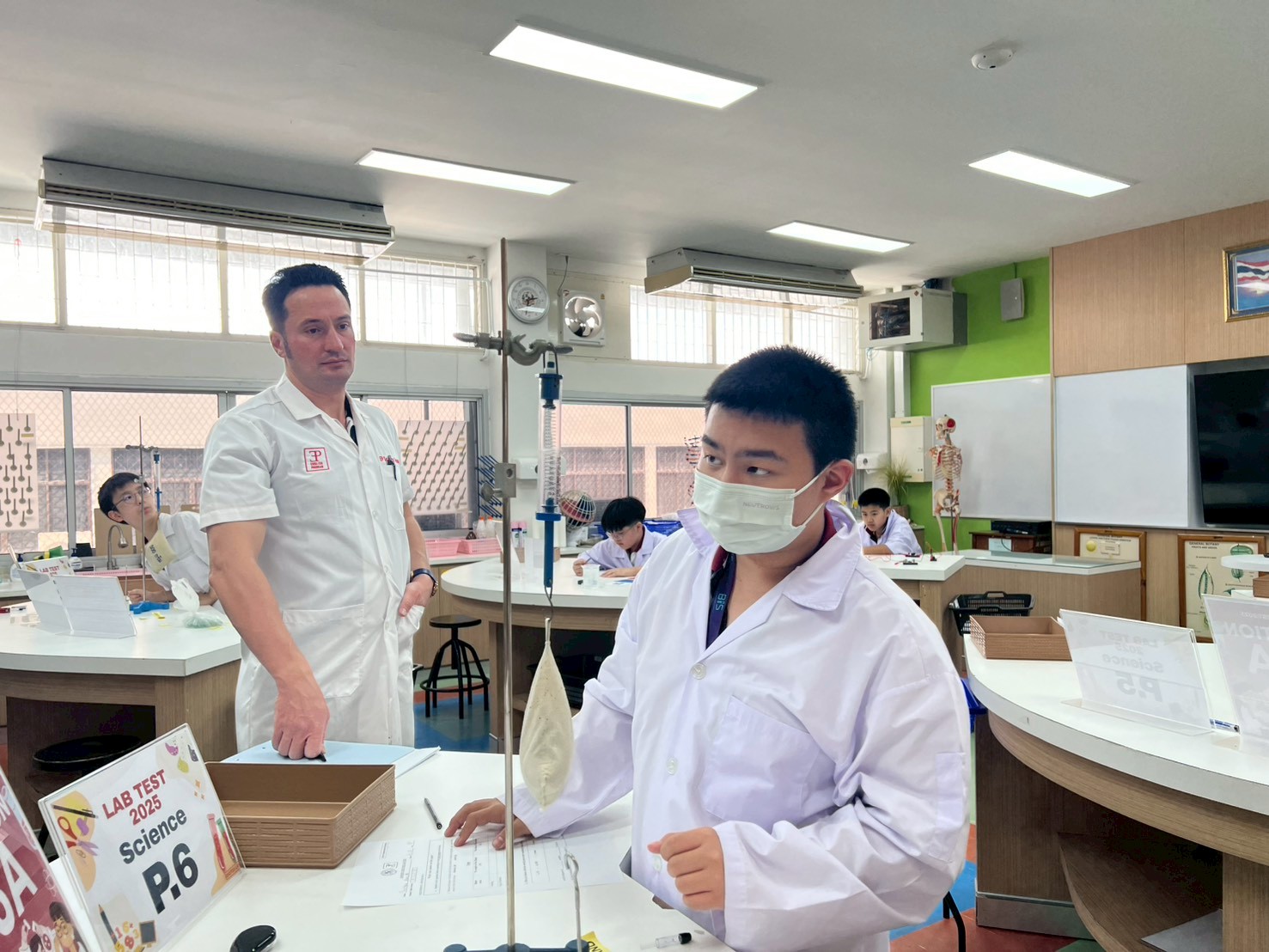
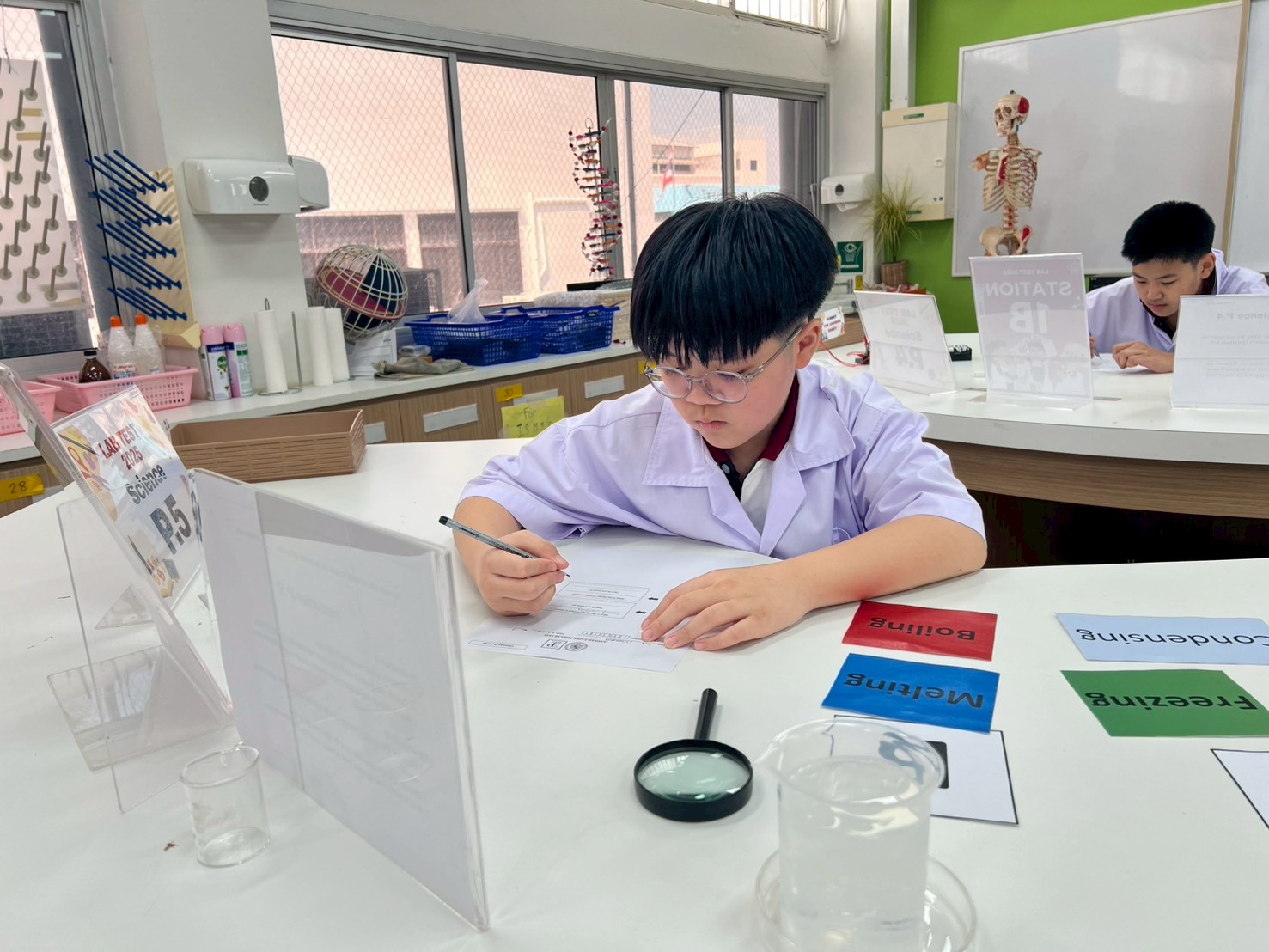
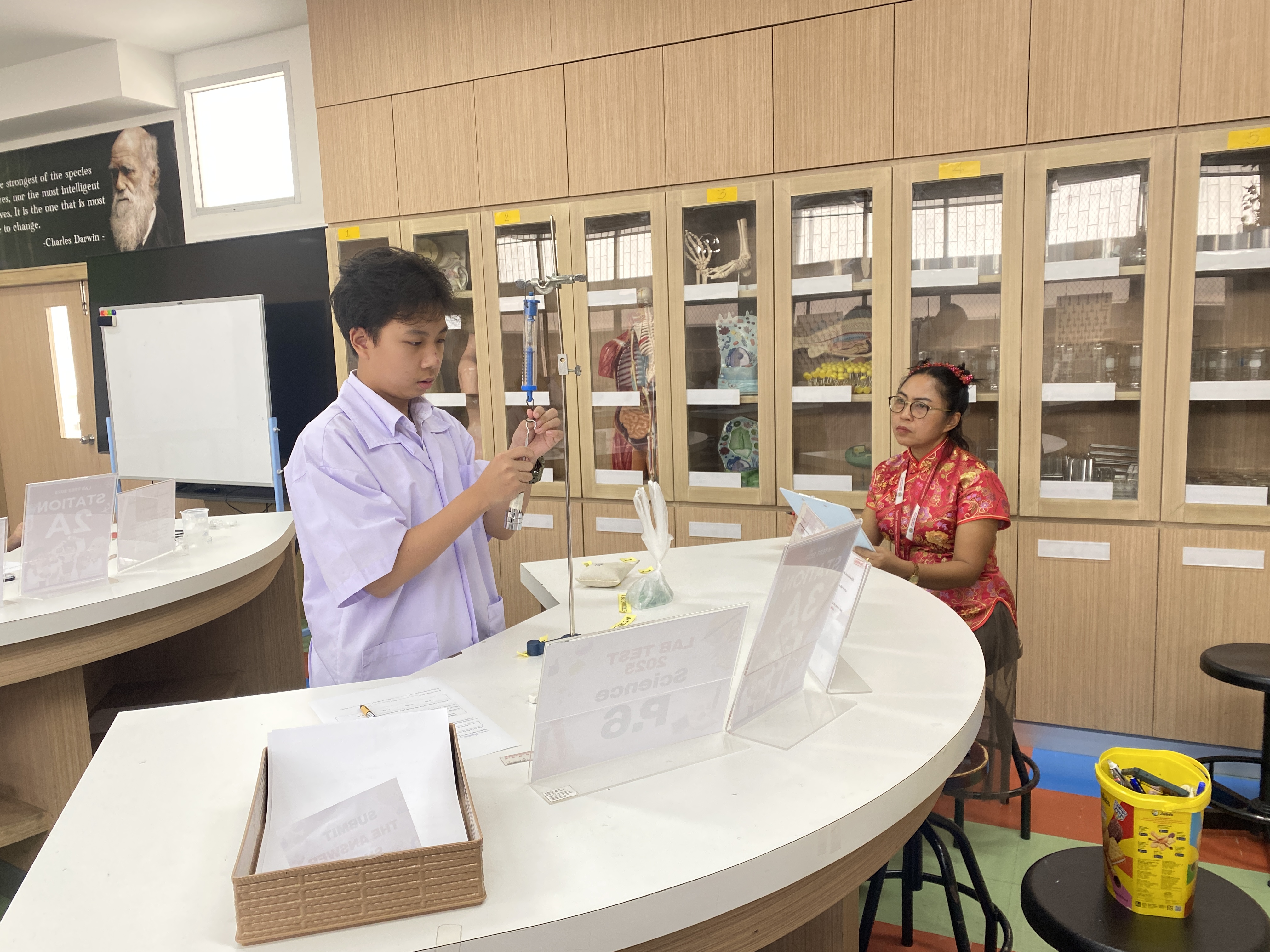
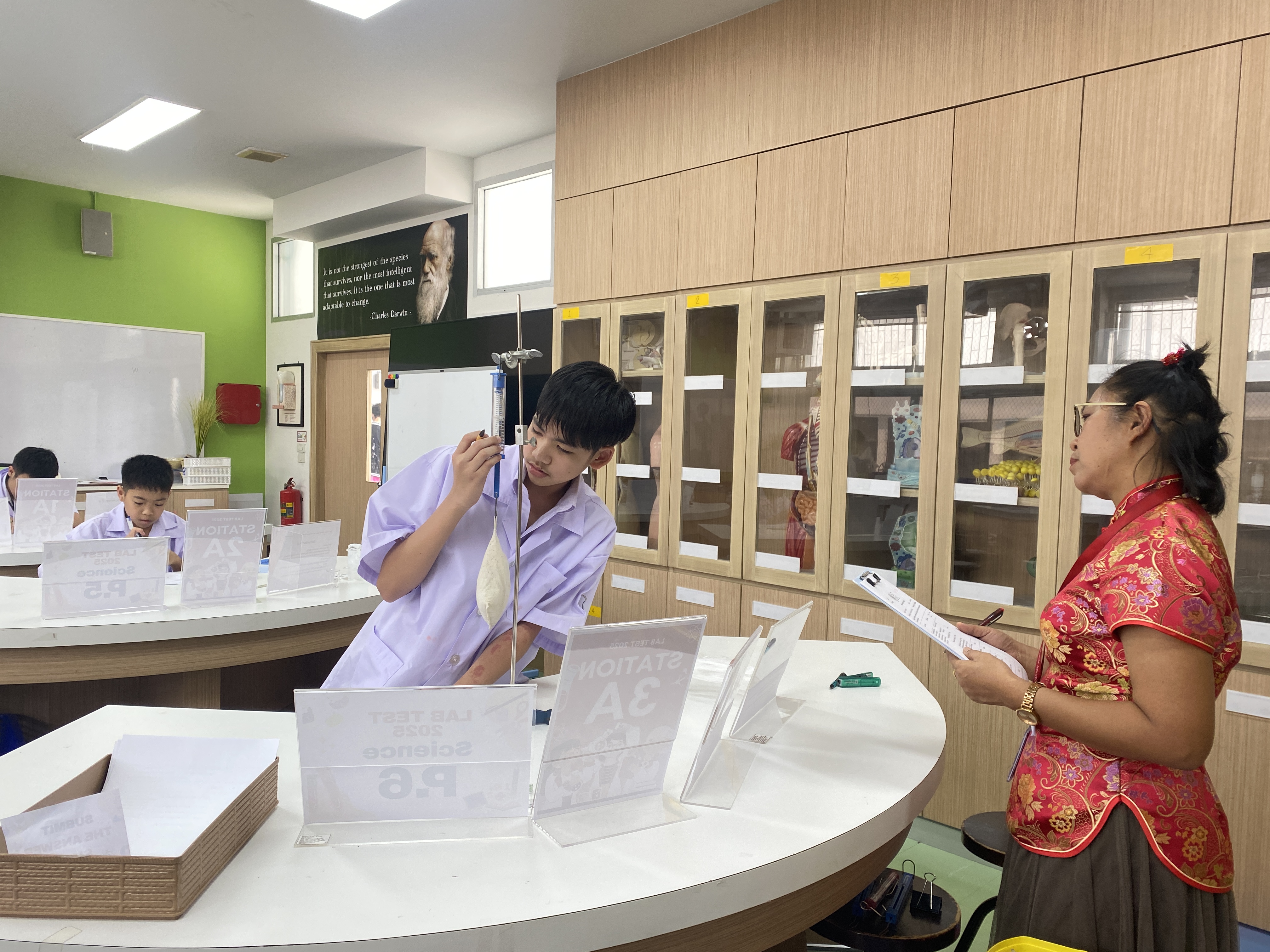
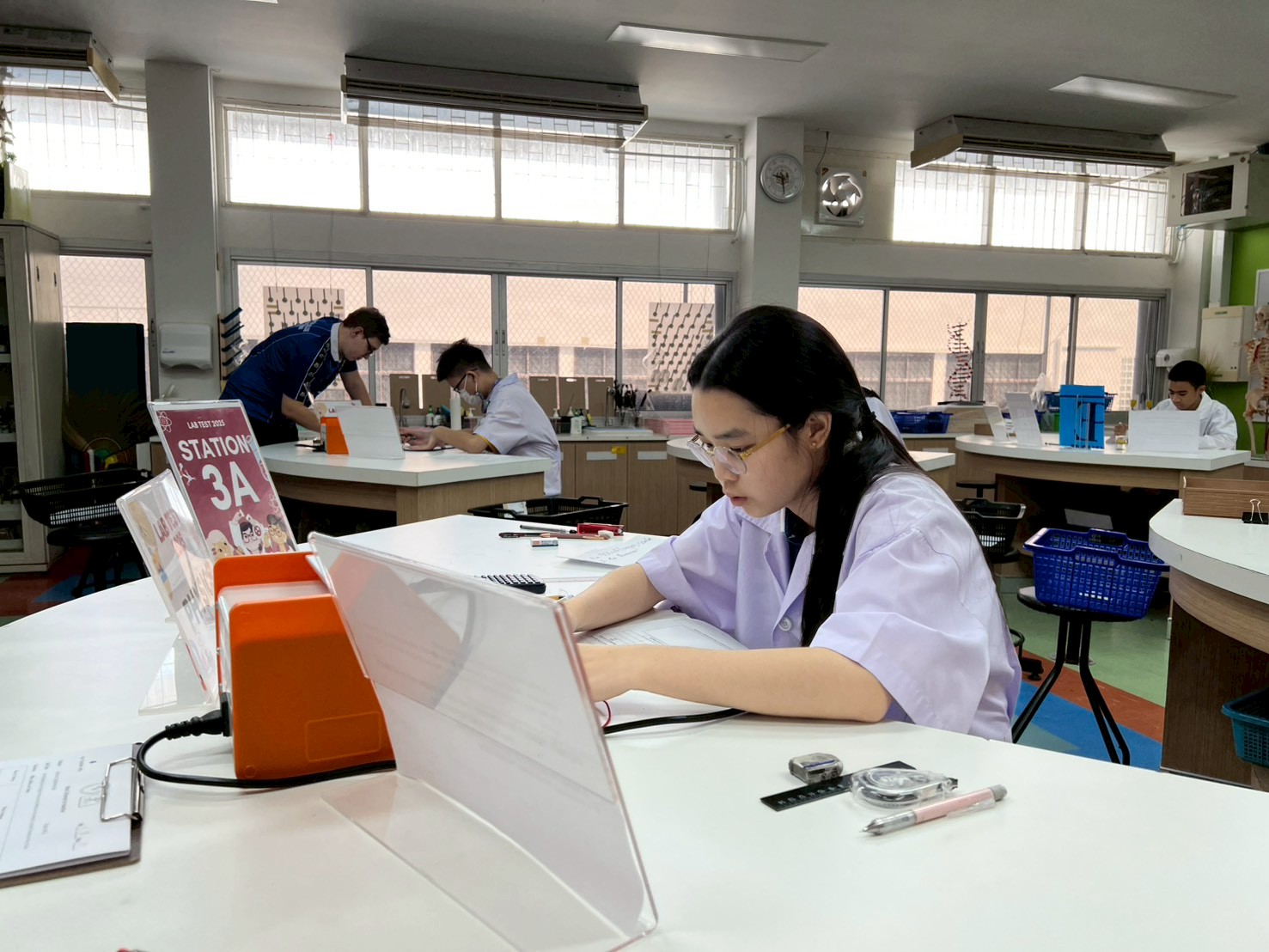
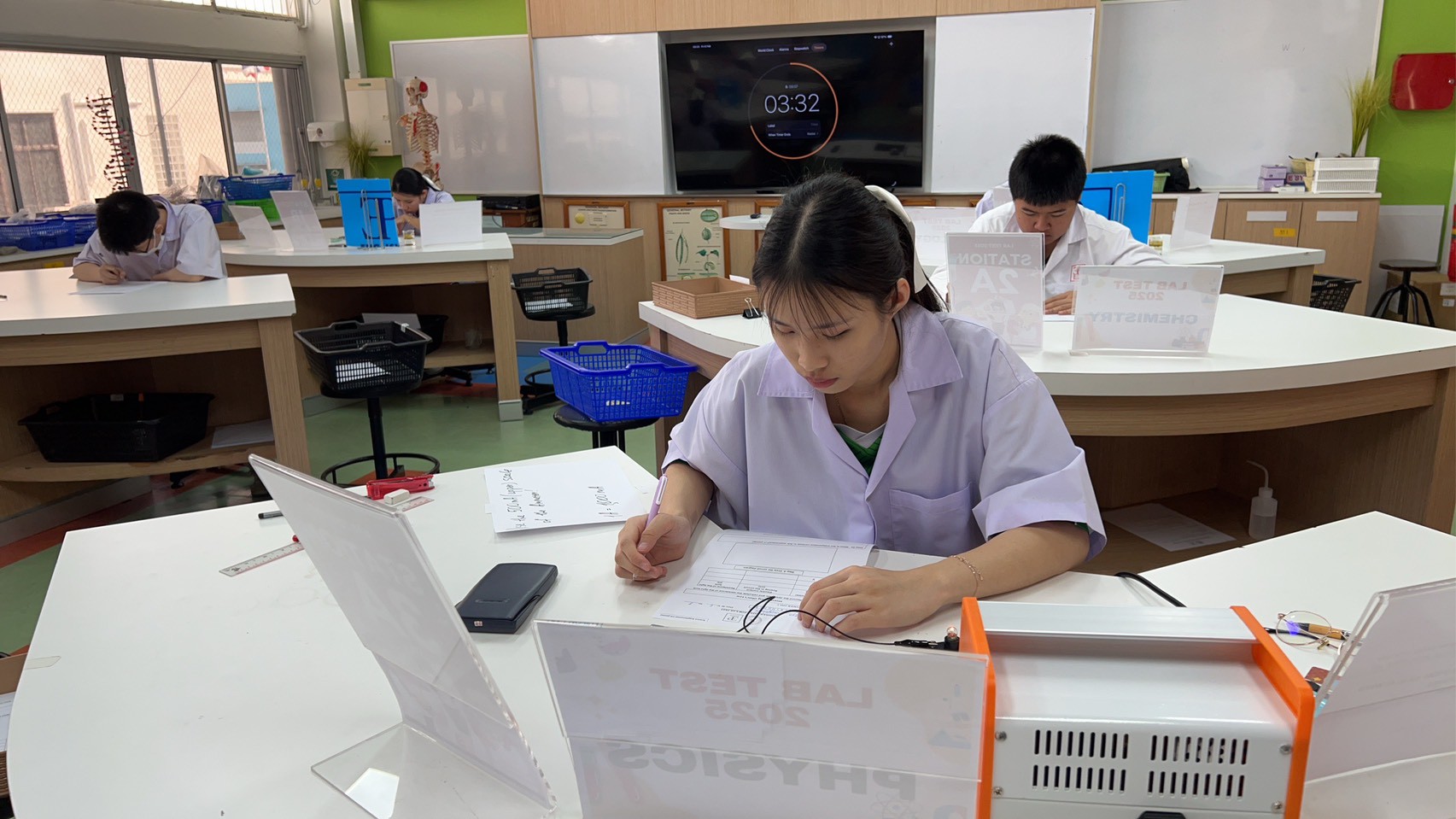
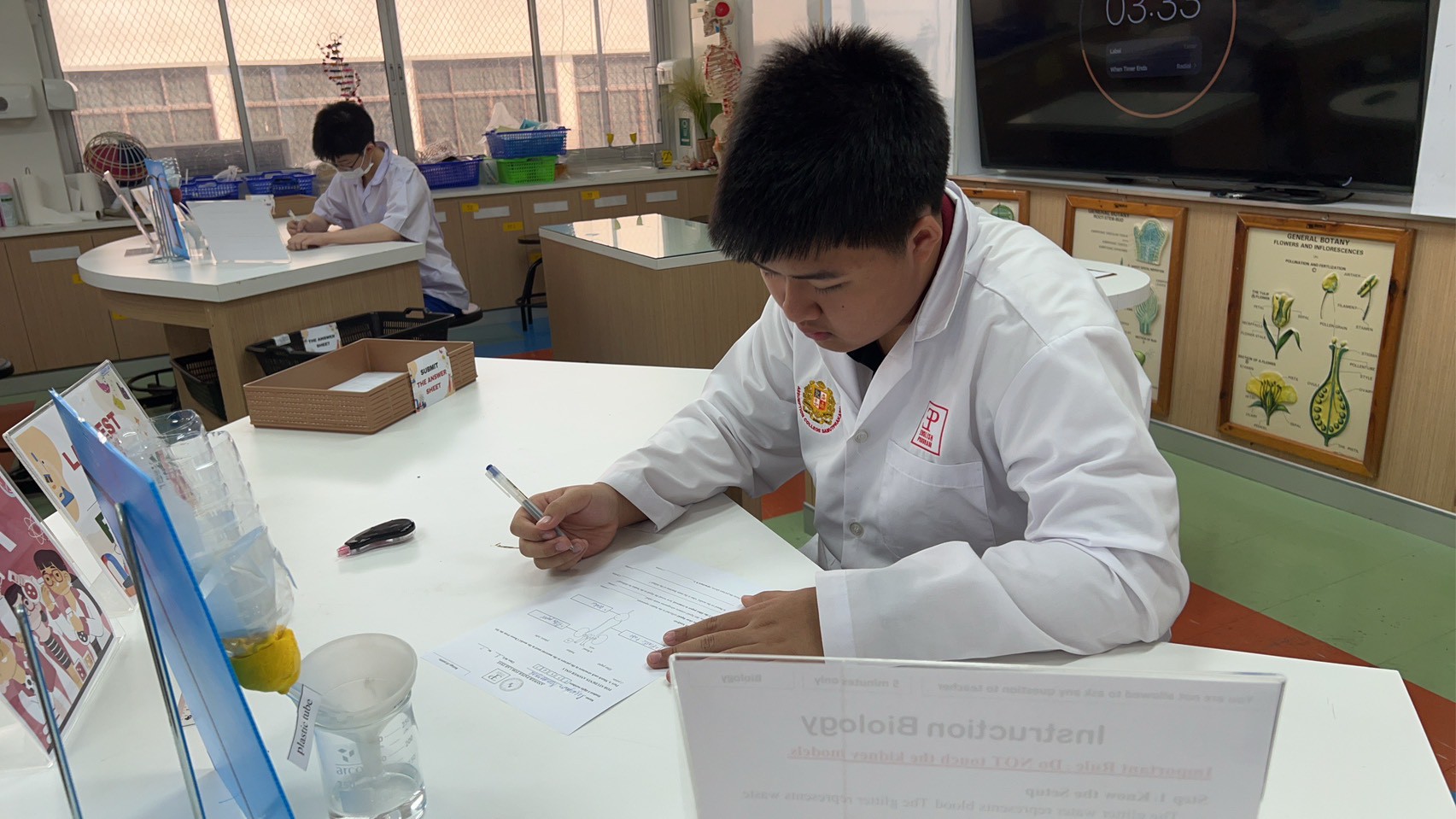
From 3 to 13 February 2026, Primary 6 and Secondary 3 students participated in the Science Lab Test AY2025, a hands‑on performance assessment designed to measure their practical competencies and scientific inquiry skills. Throughout the assessment, students carried out structured laboratory tasks that allowed teachers to observe their ability to apply scientific concepts, perform experiments, and communicate their findings effectively.
The assessment aimed to strengthen students’ scientific process skills and enhance their proficiency in laboratory work. It also provided an opportunity for them to apply experimental knowledge in preparation for international‑standard assessments such as the Cambridge Checkpoint.
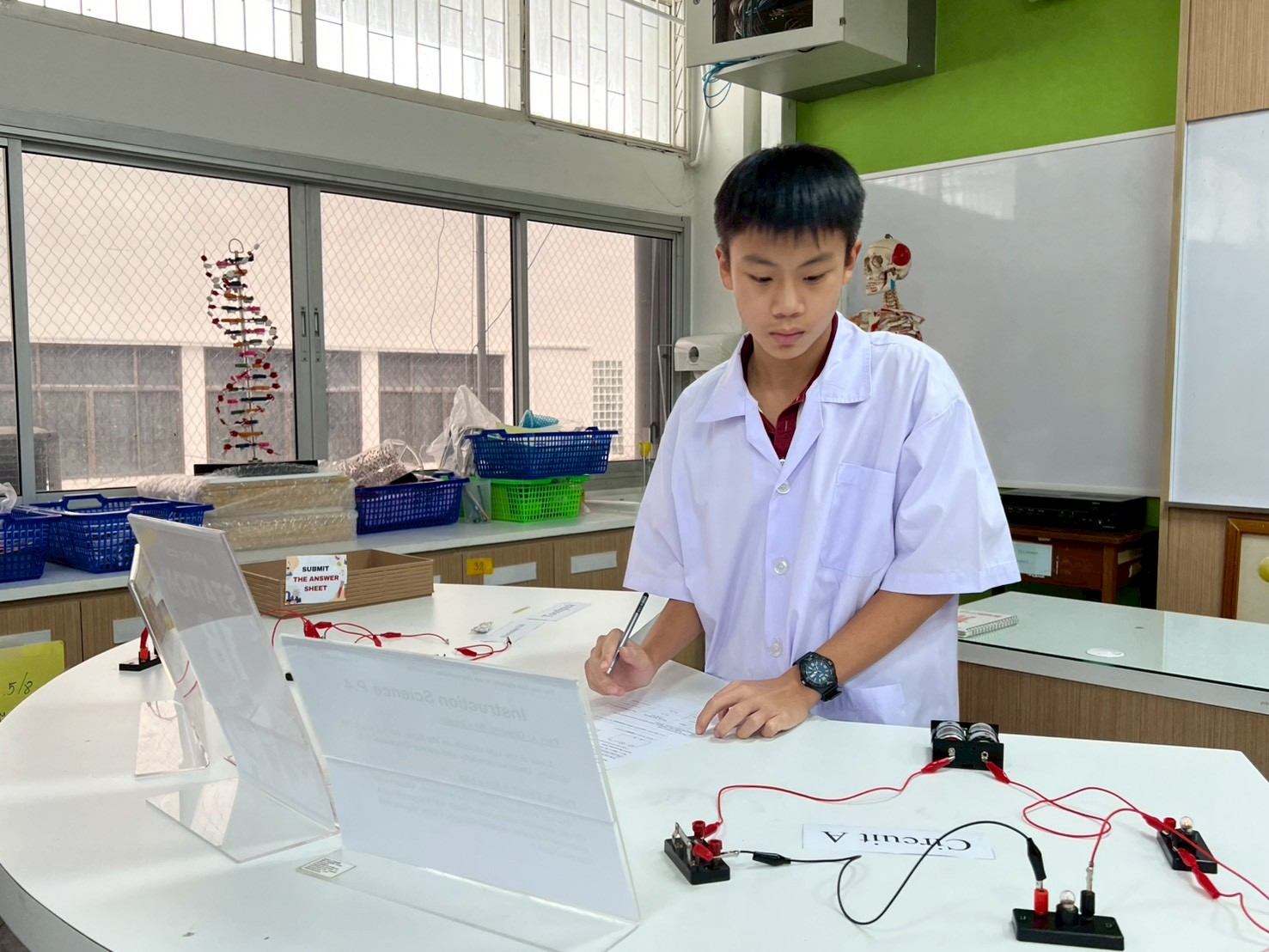
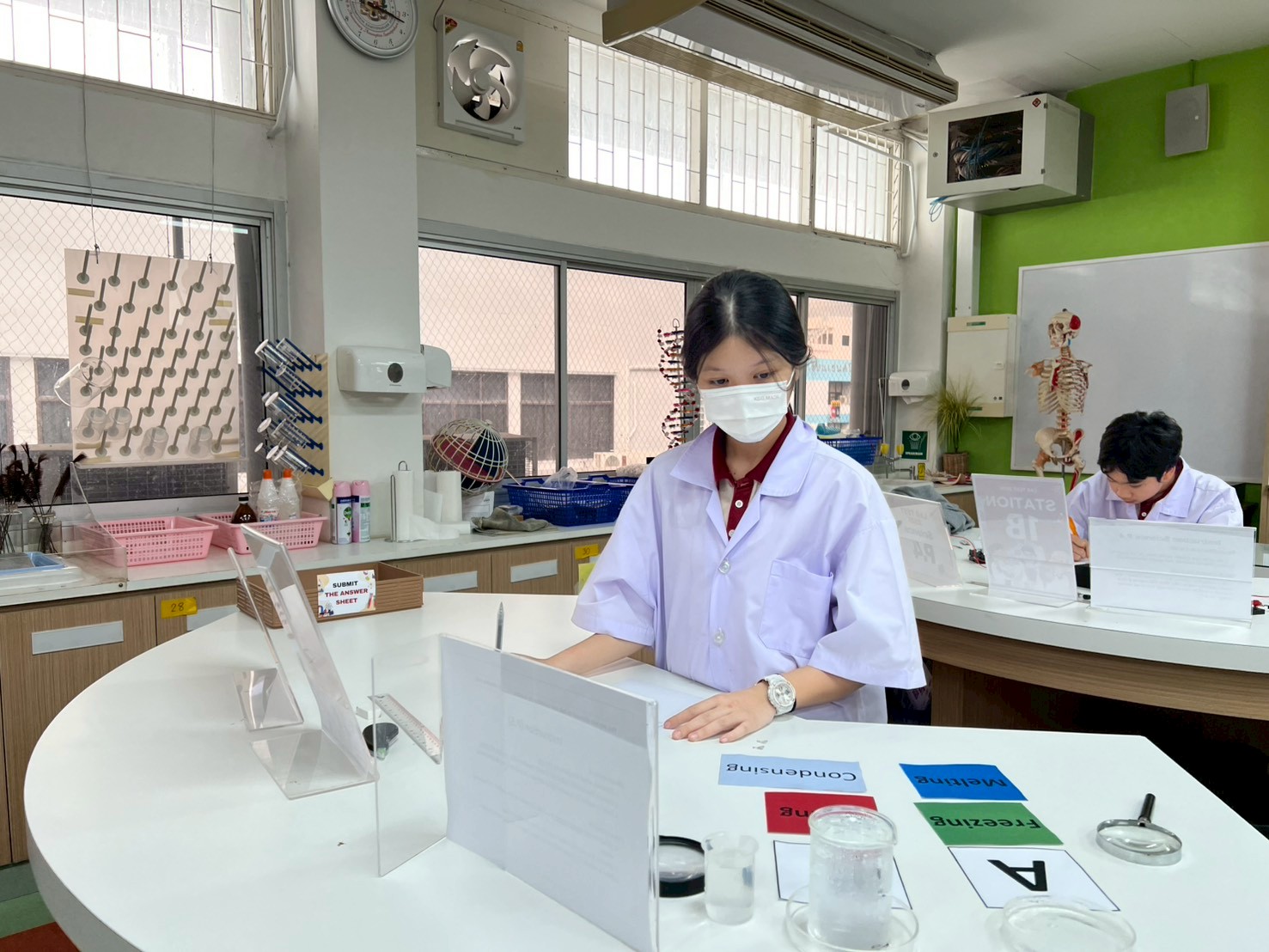
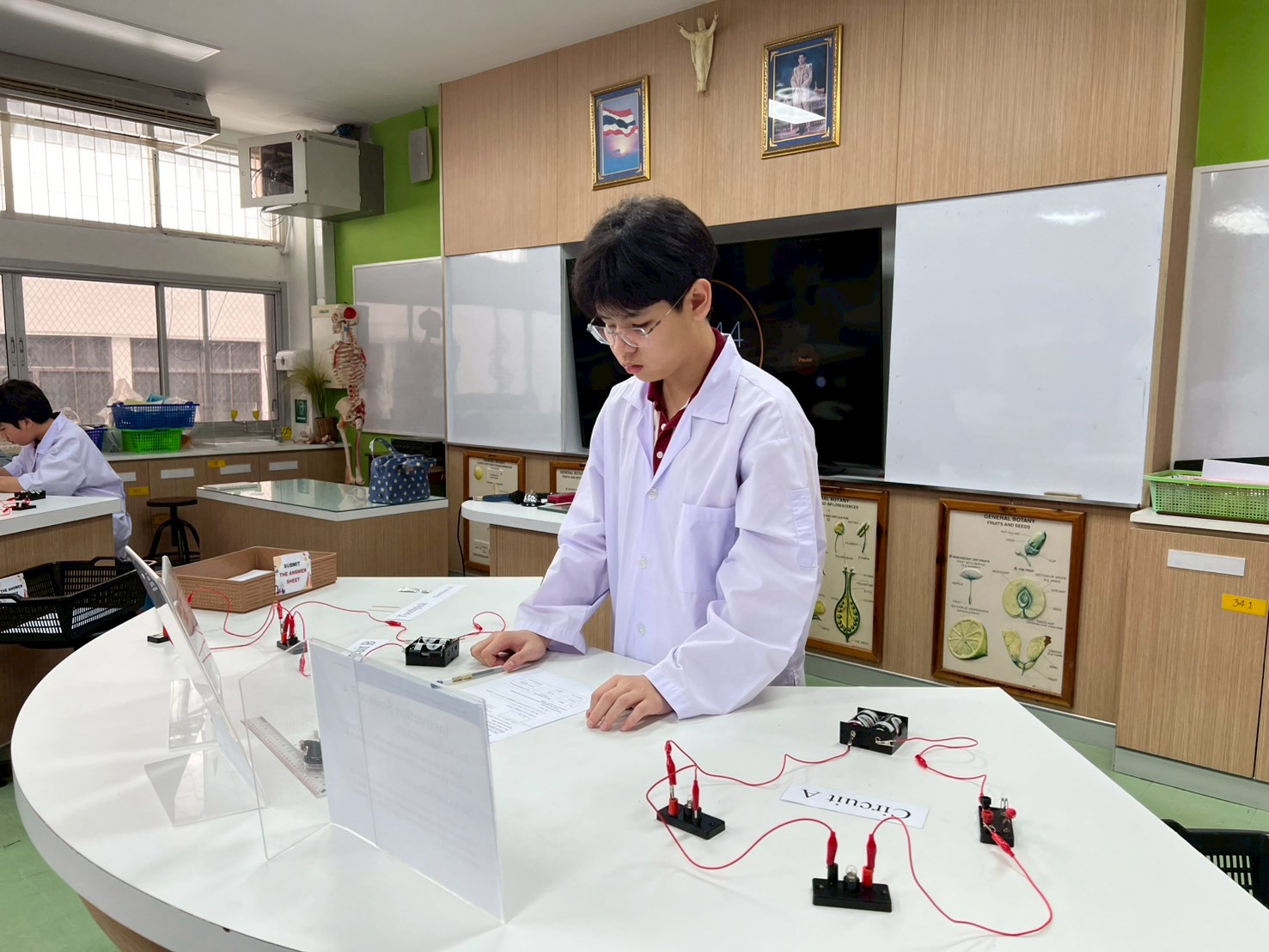
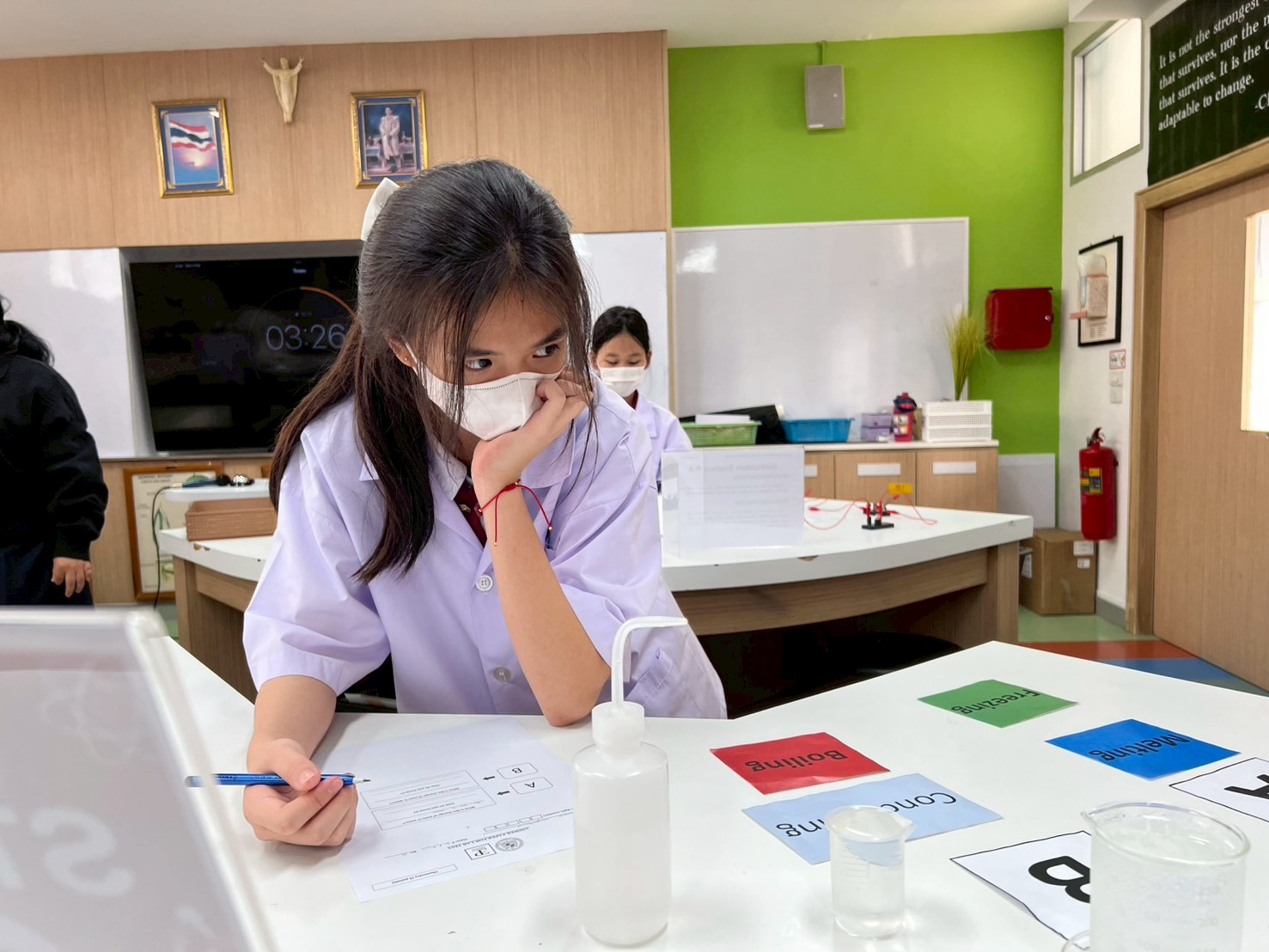
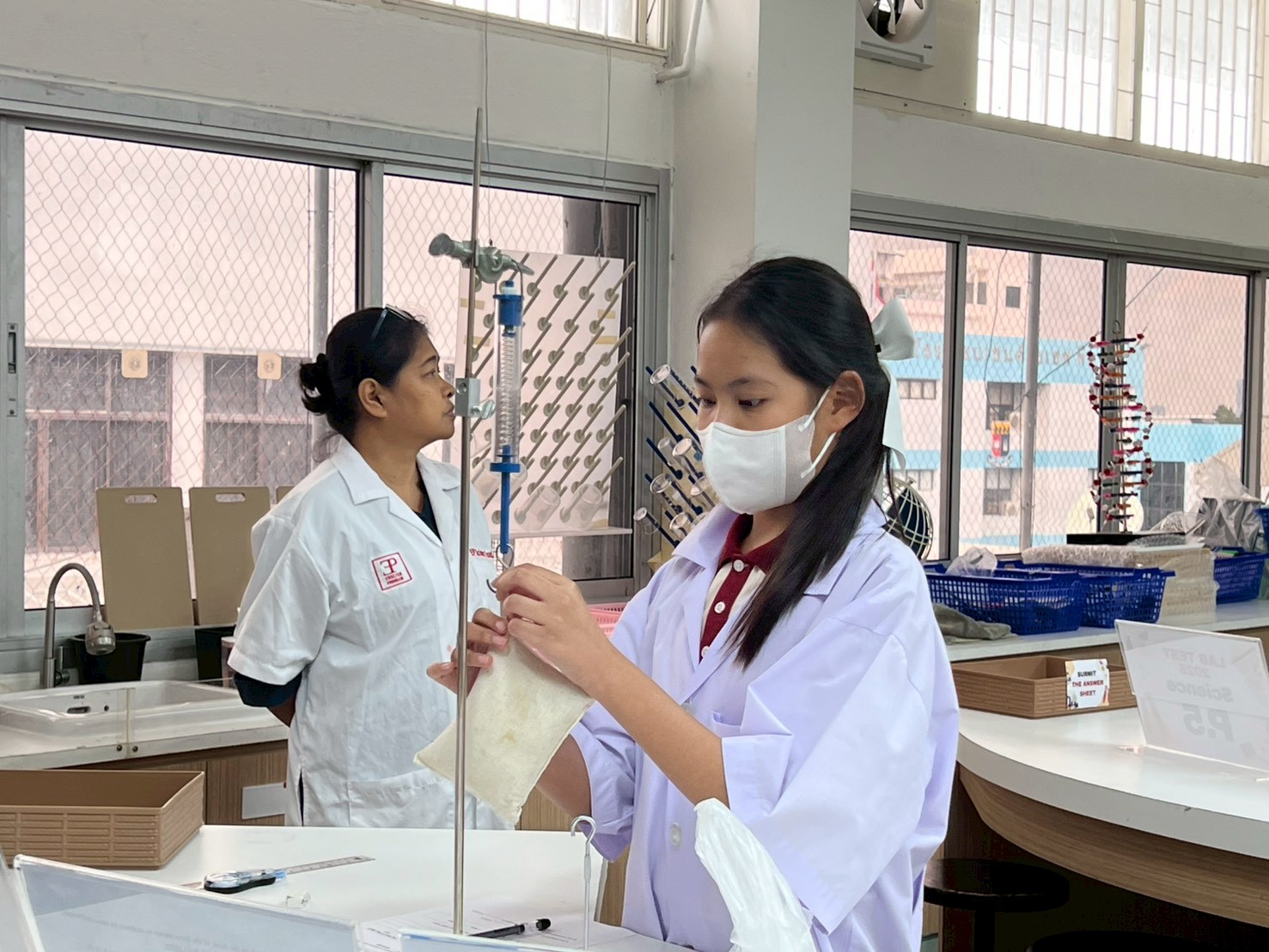
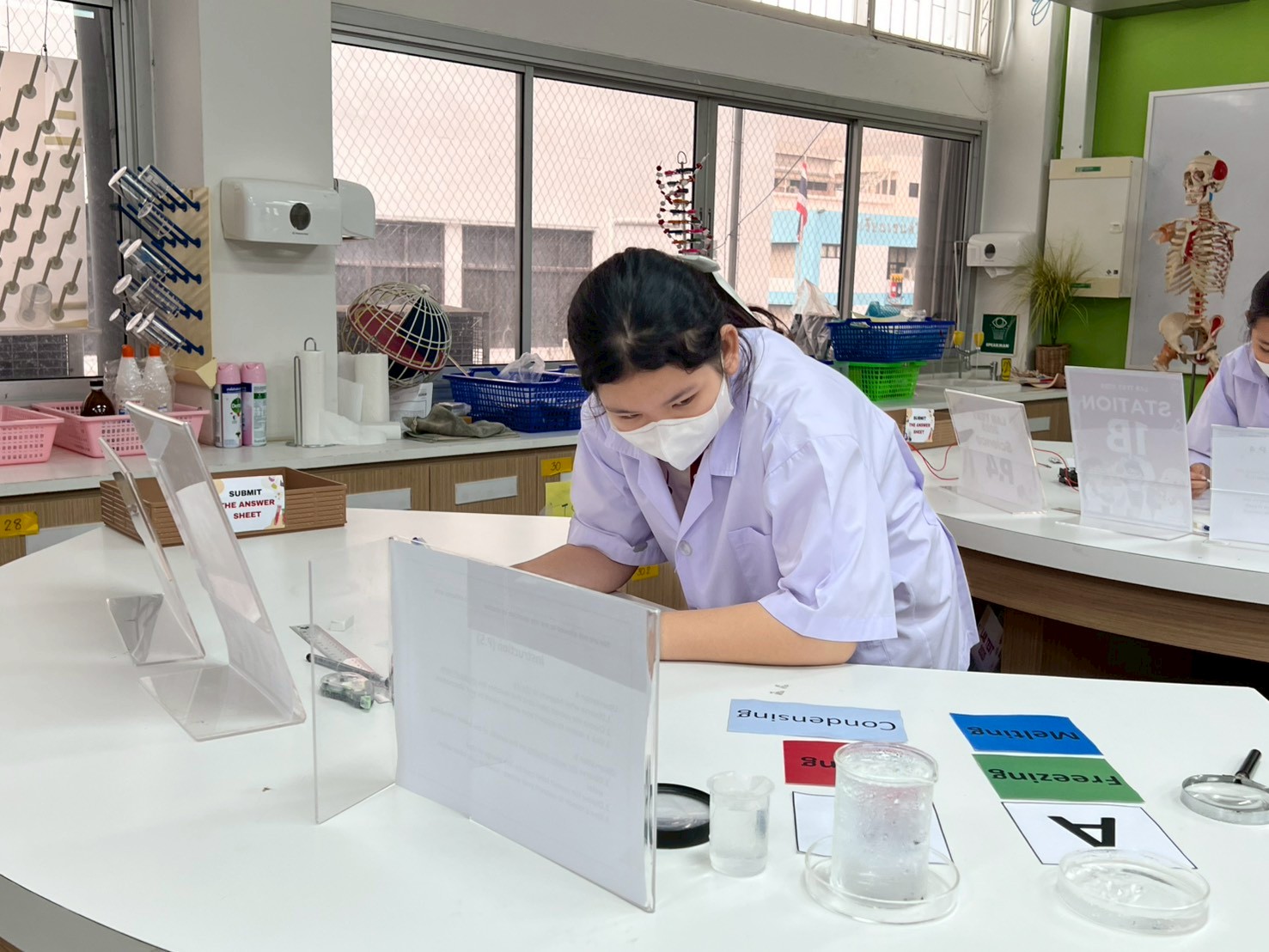
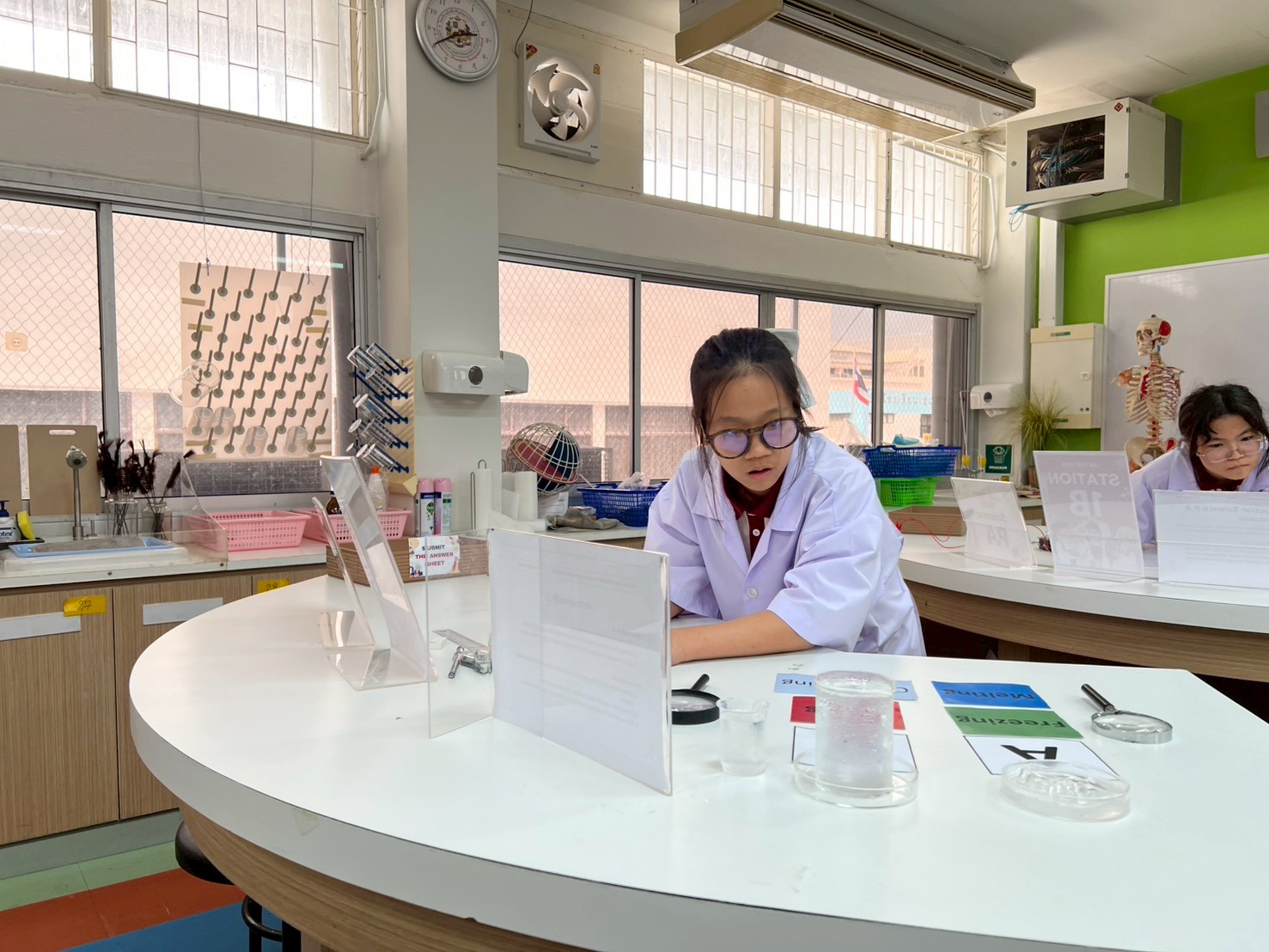
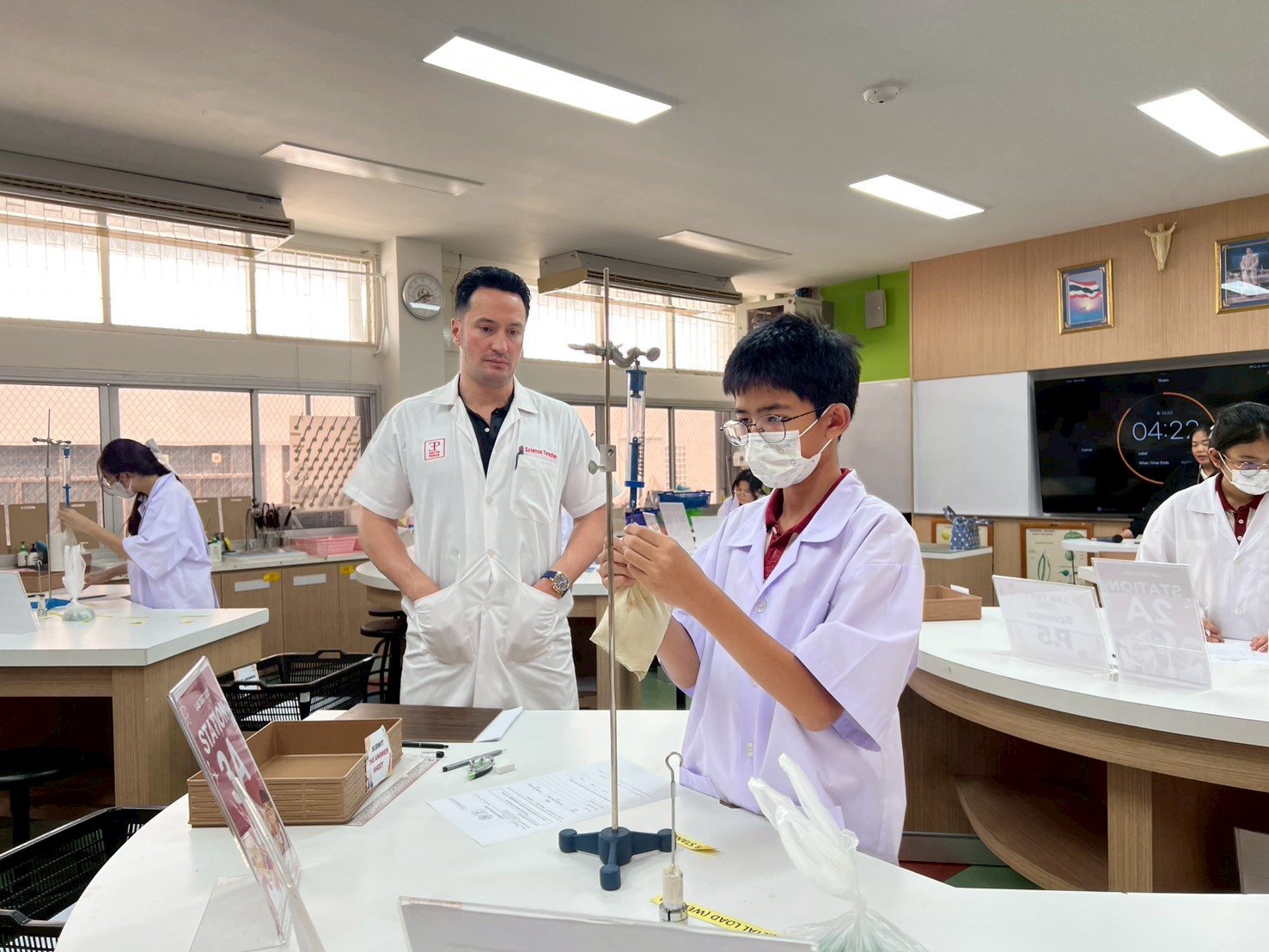
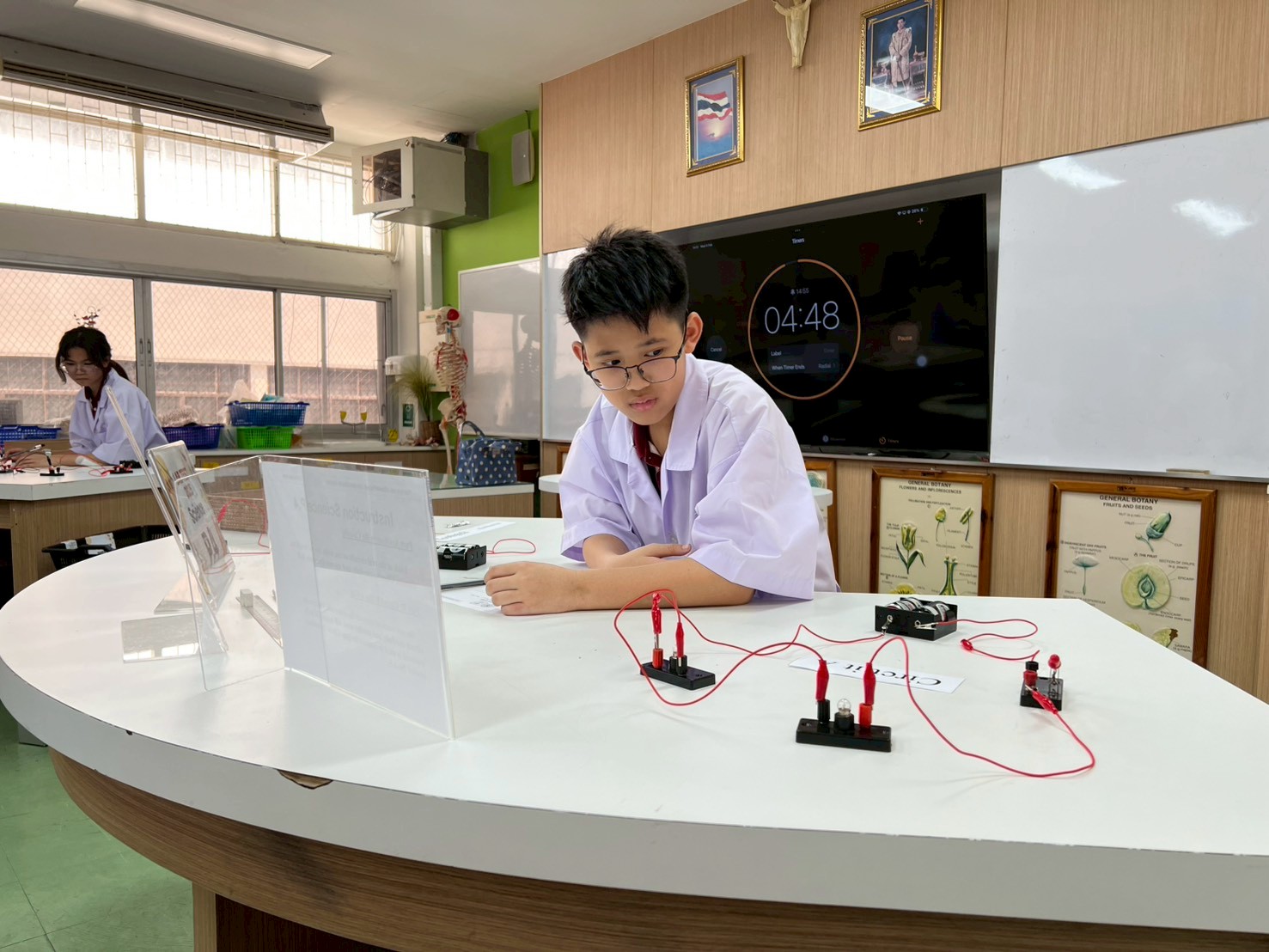
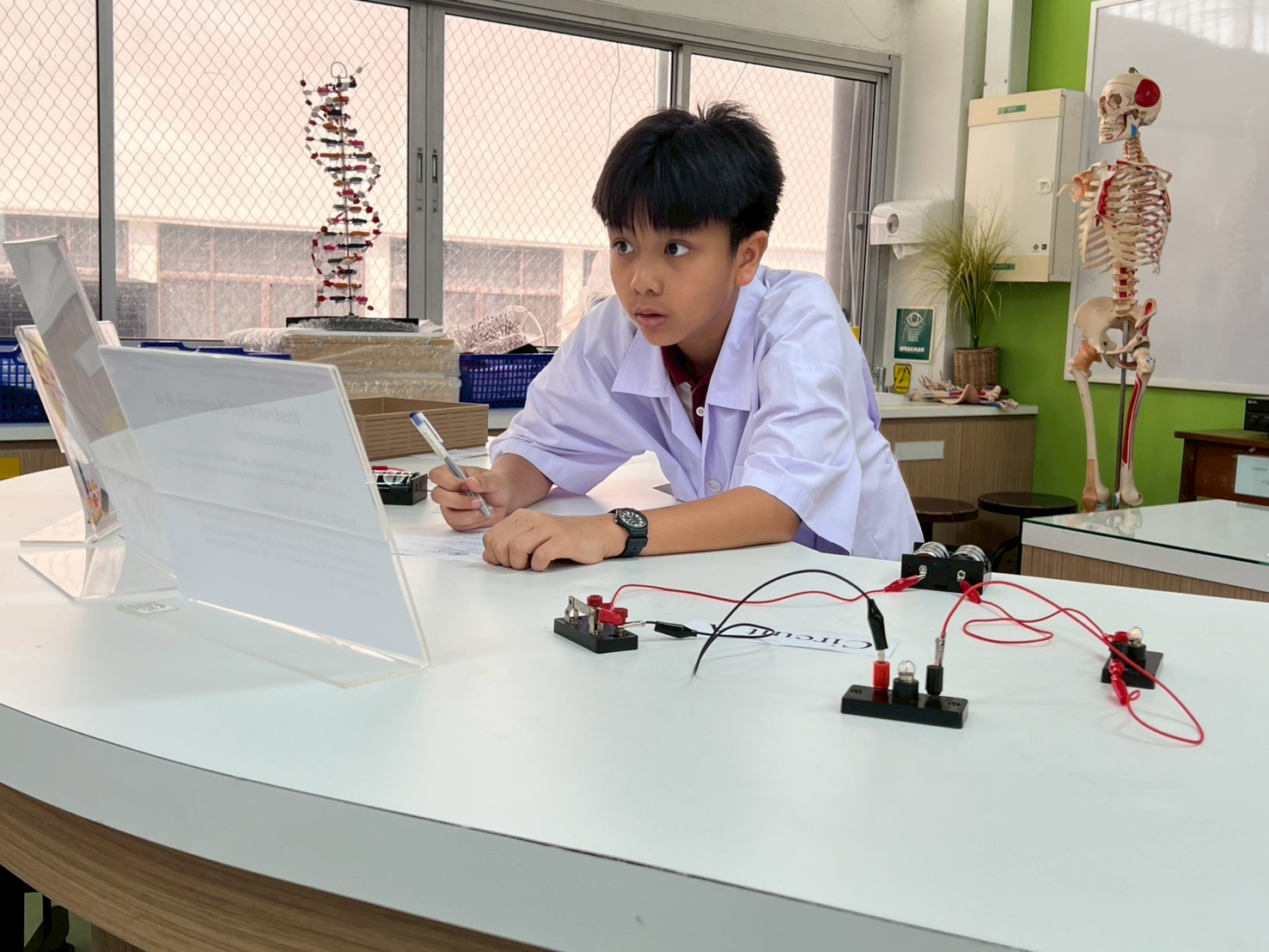
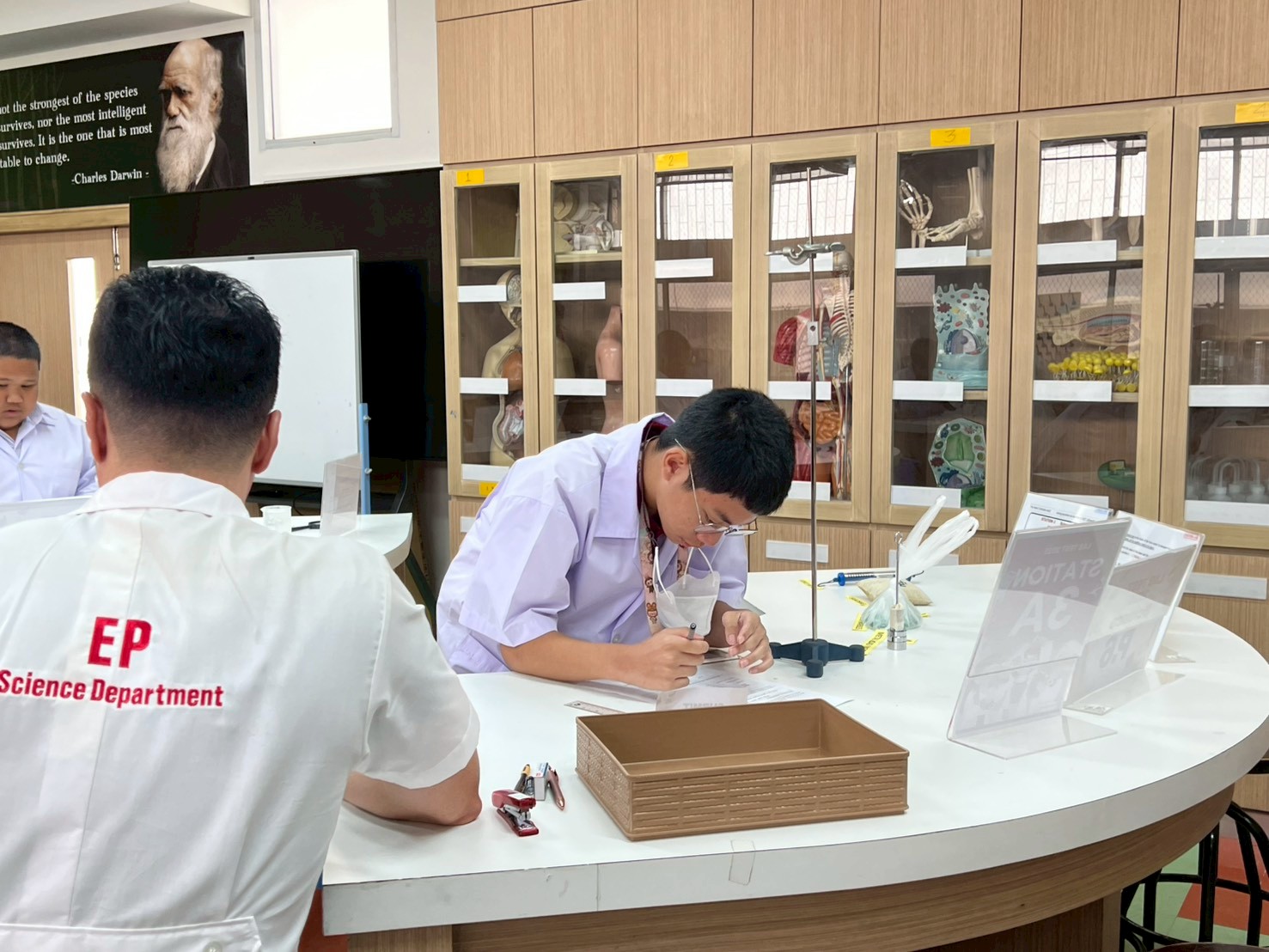
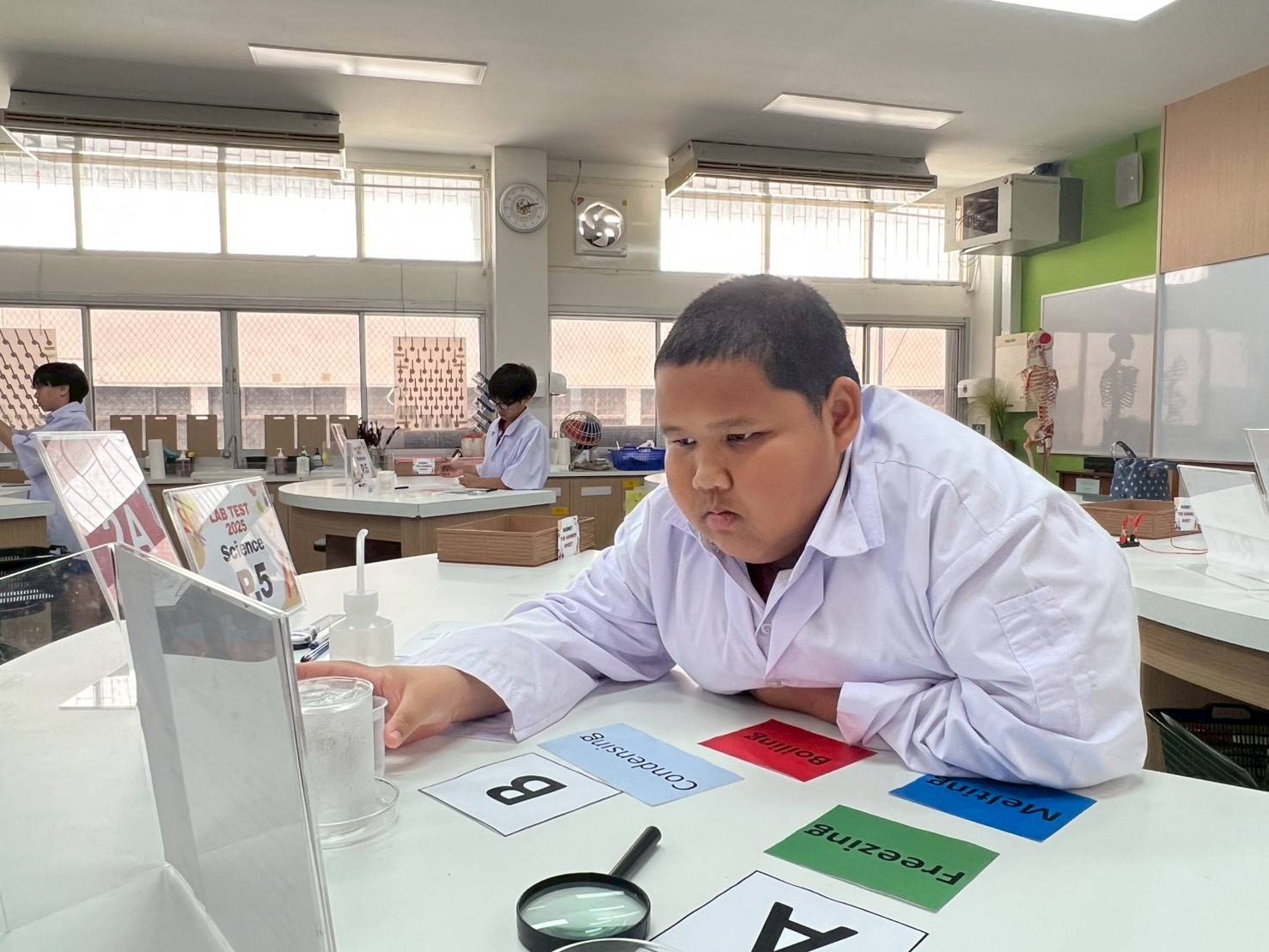
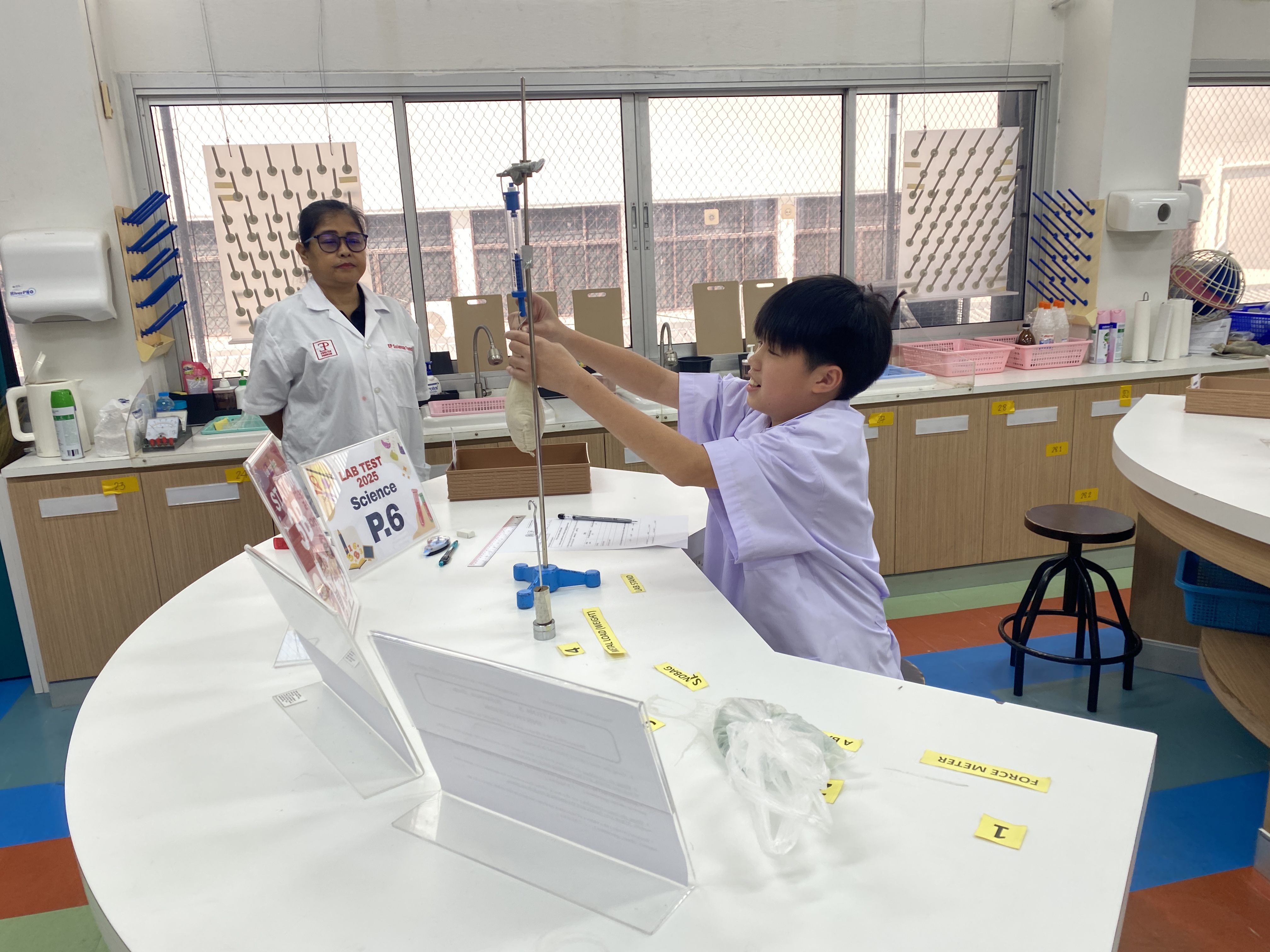
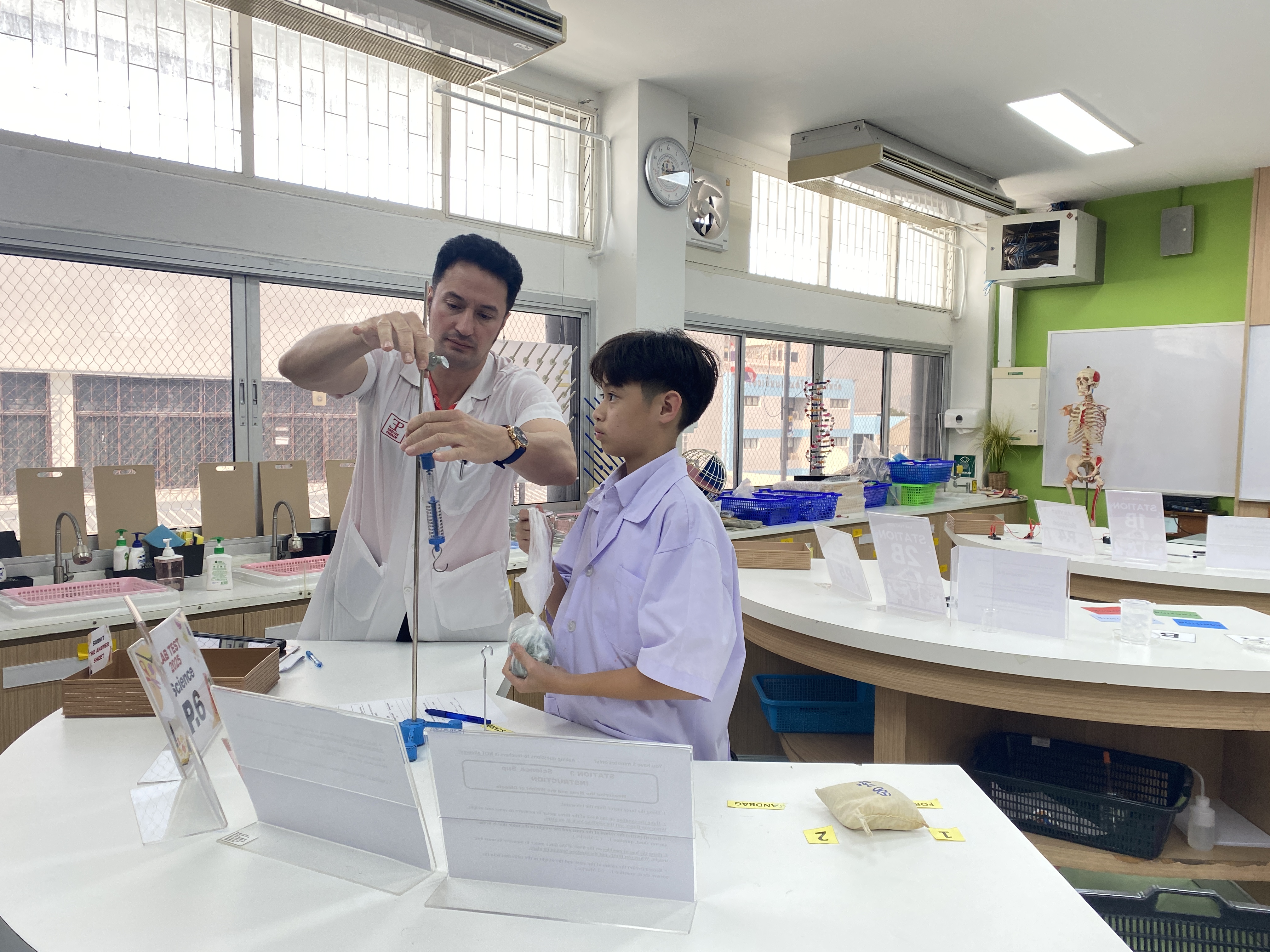
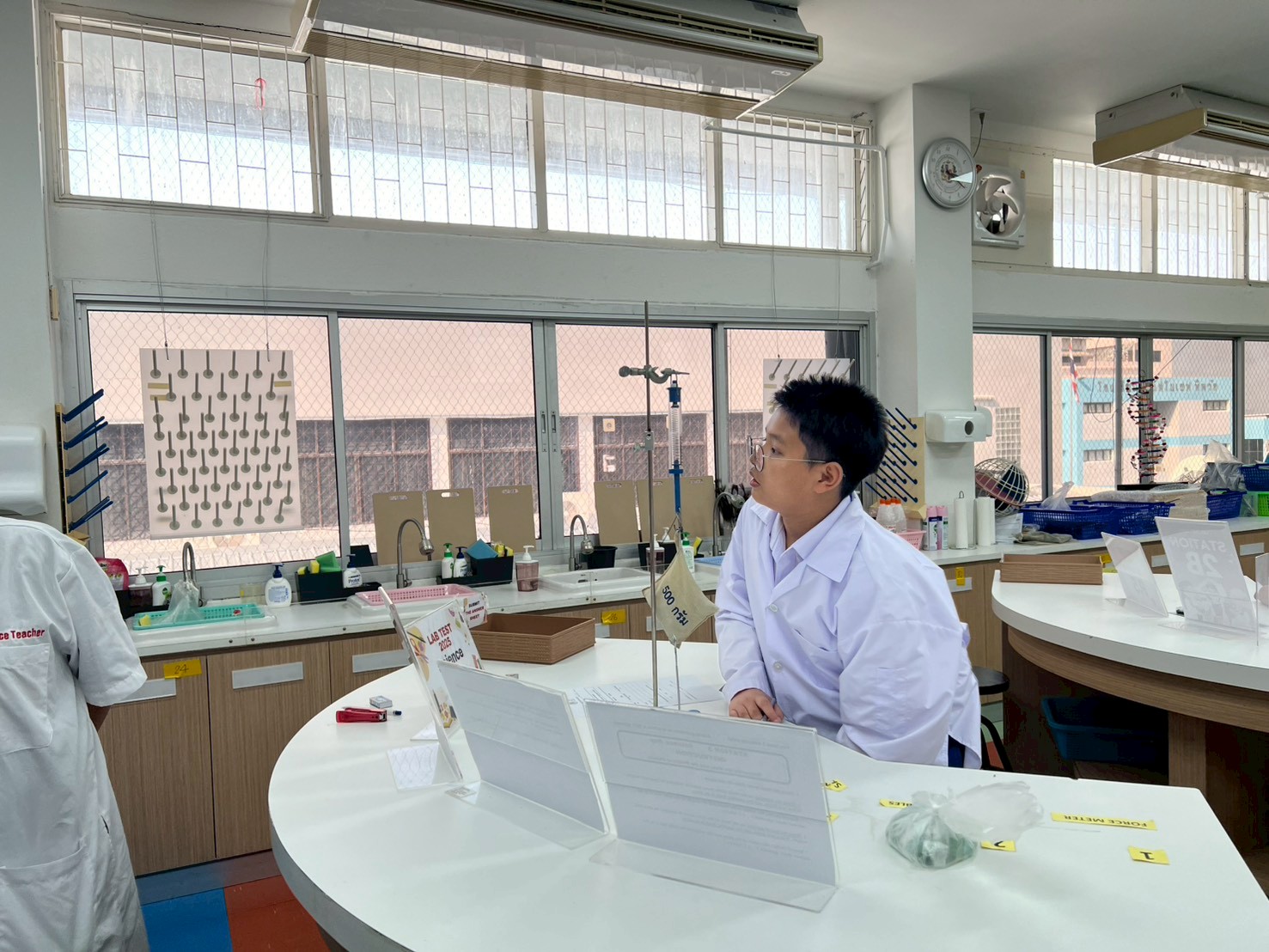
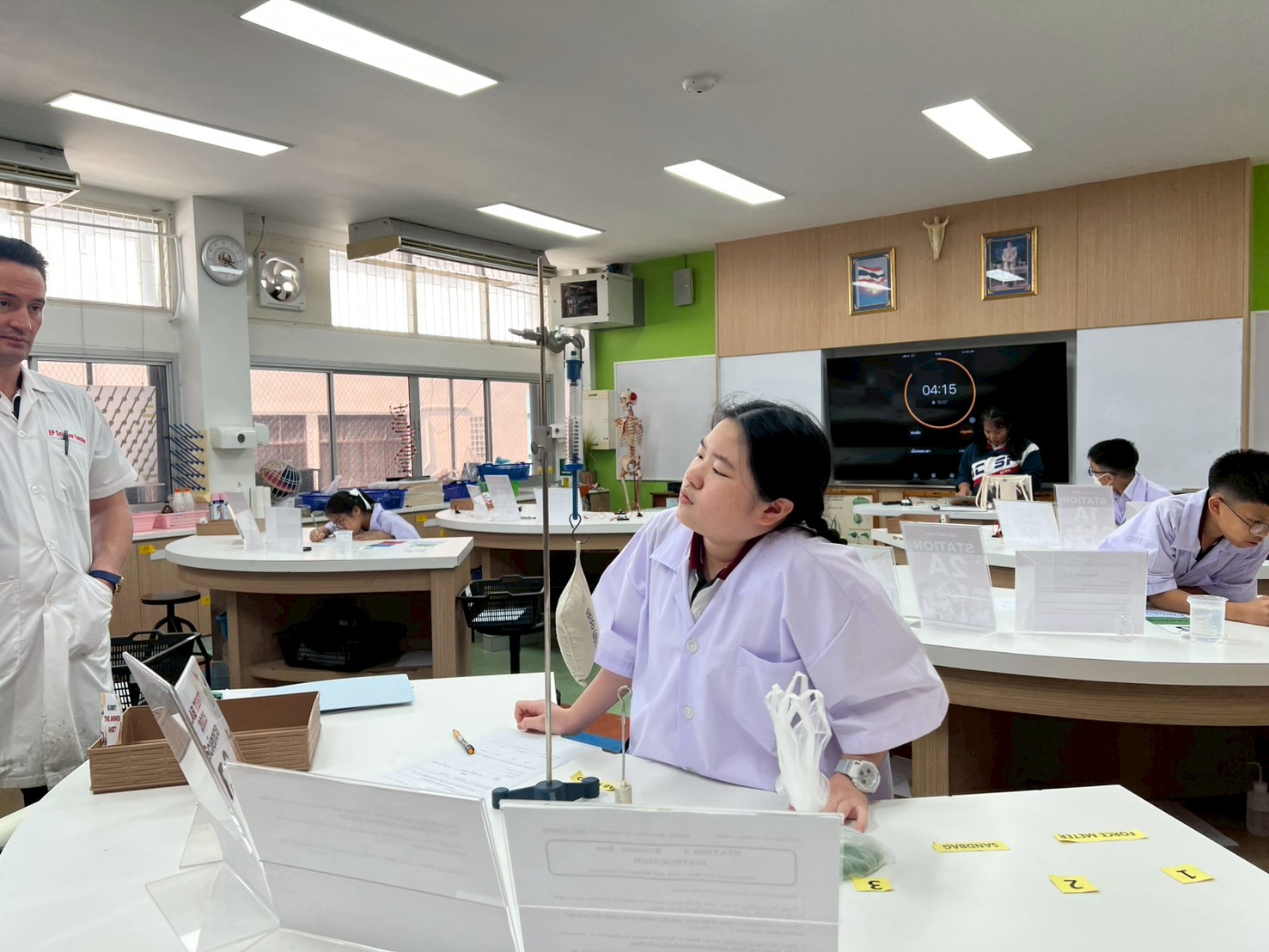
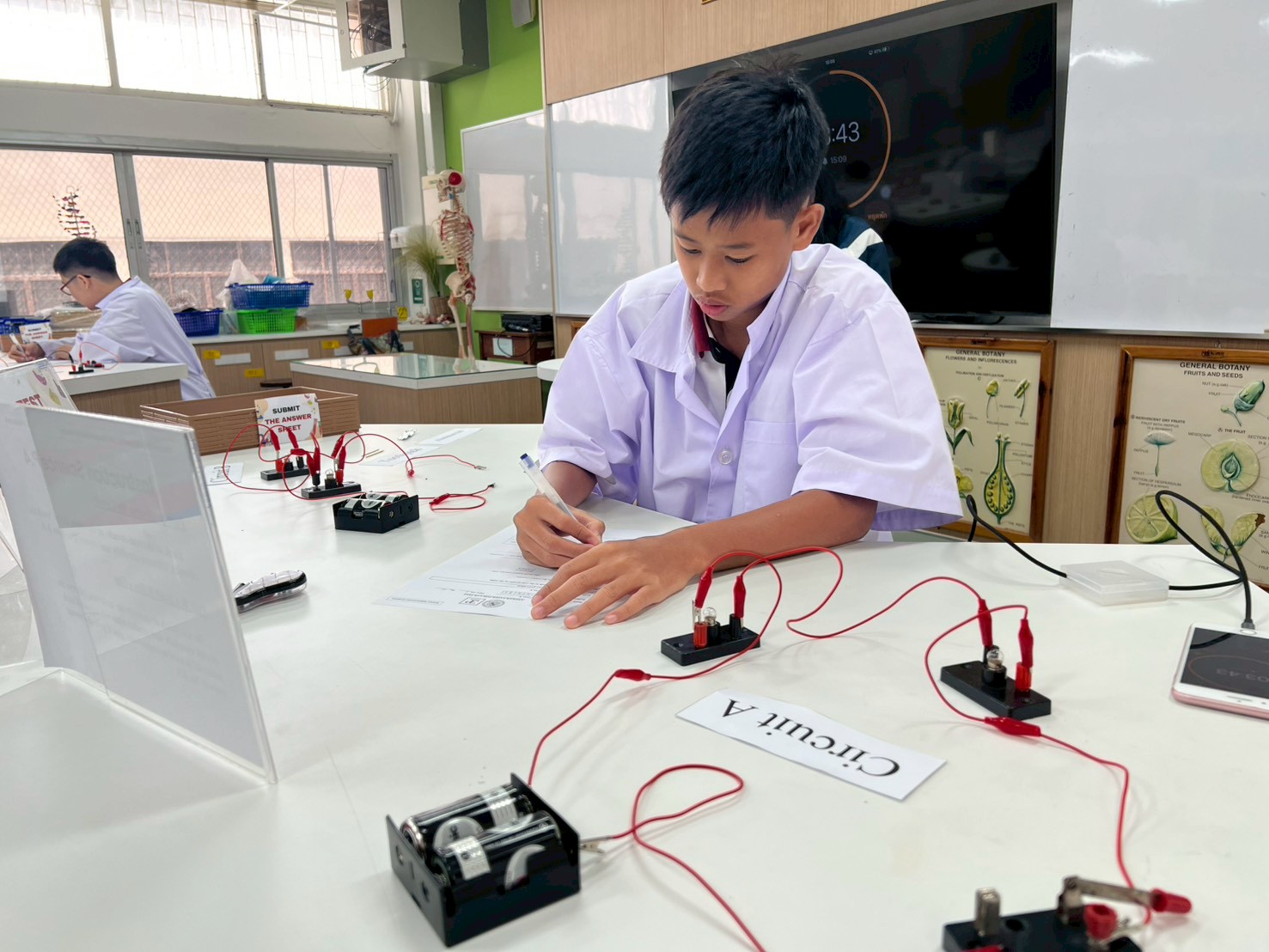
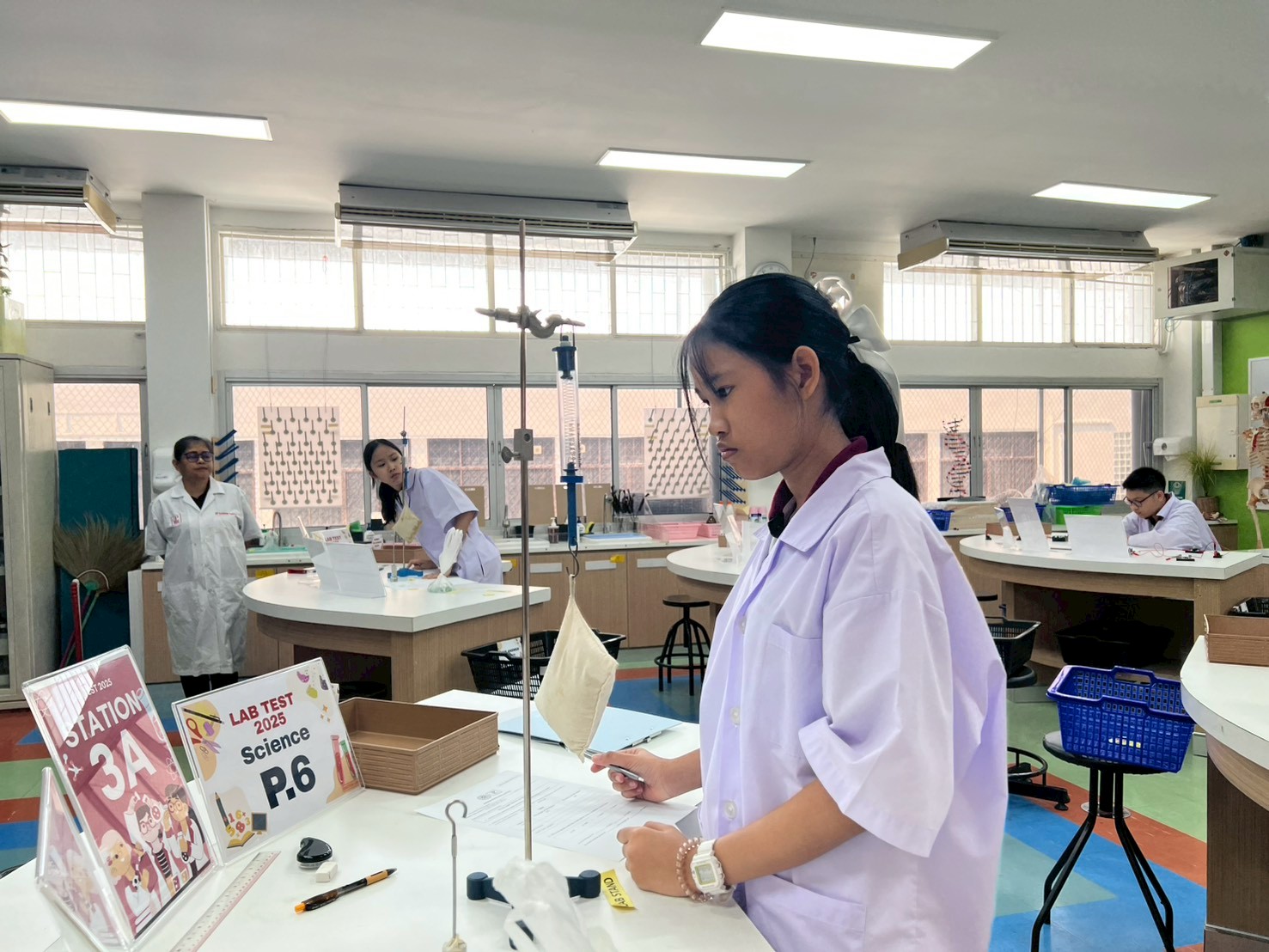
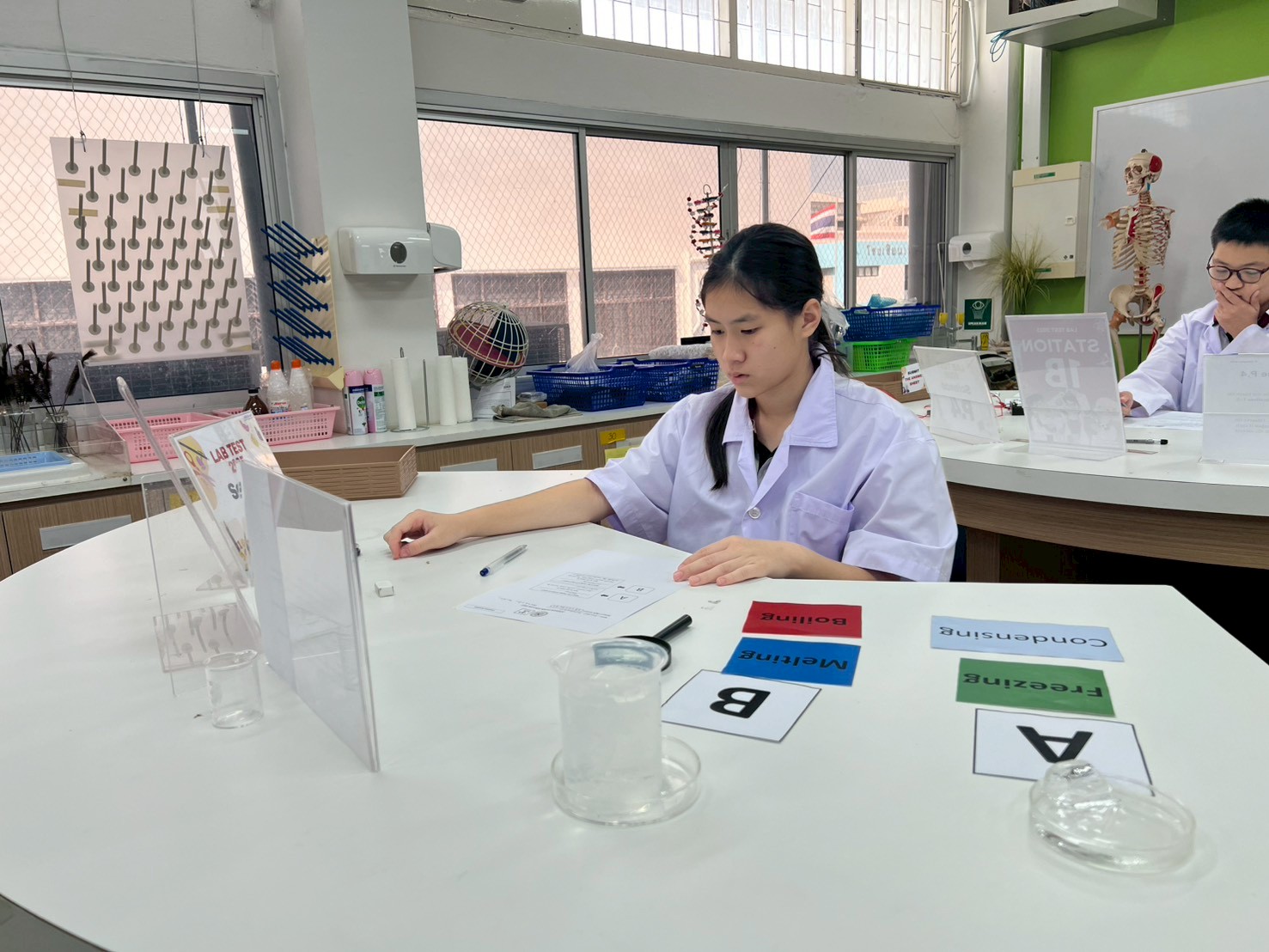
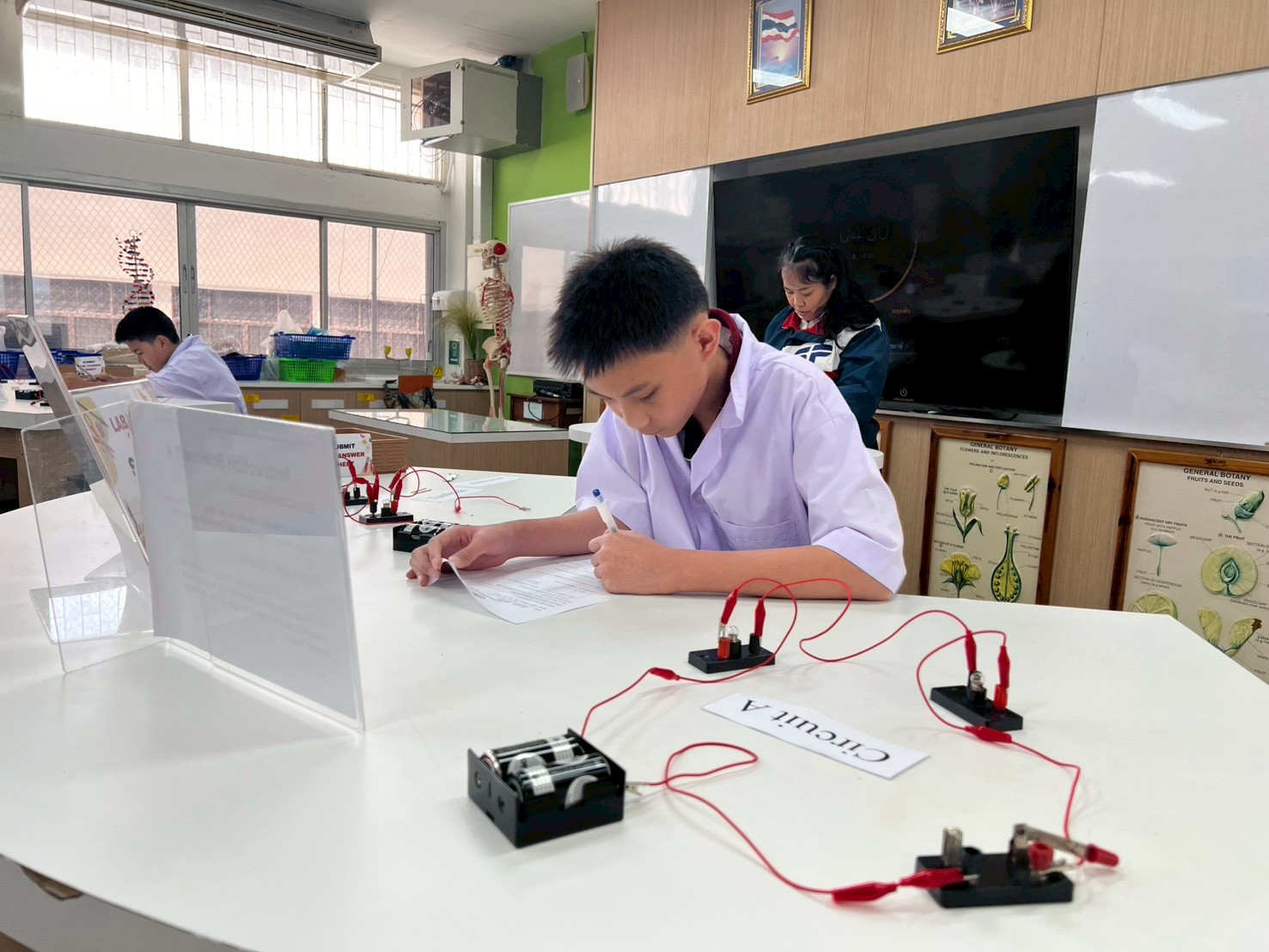
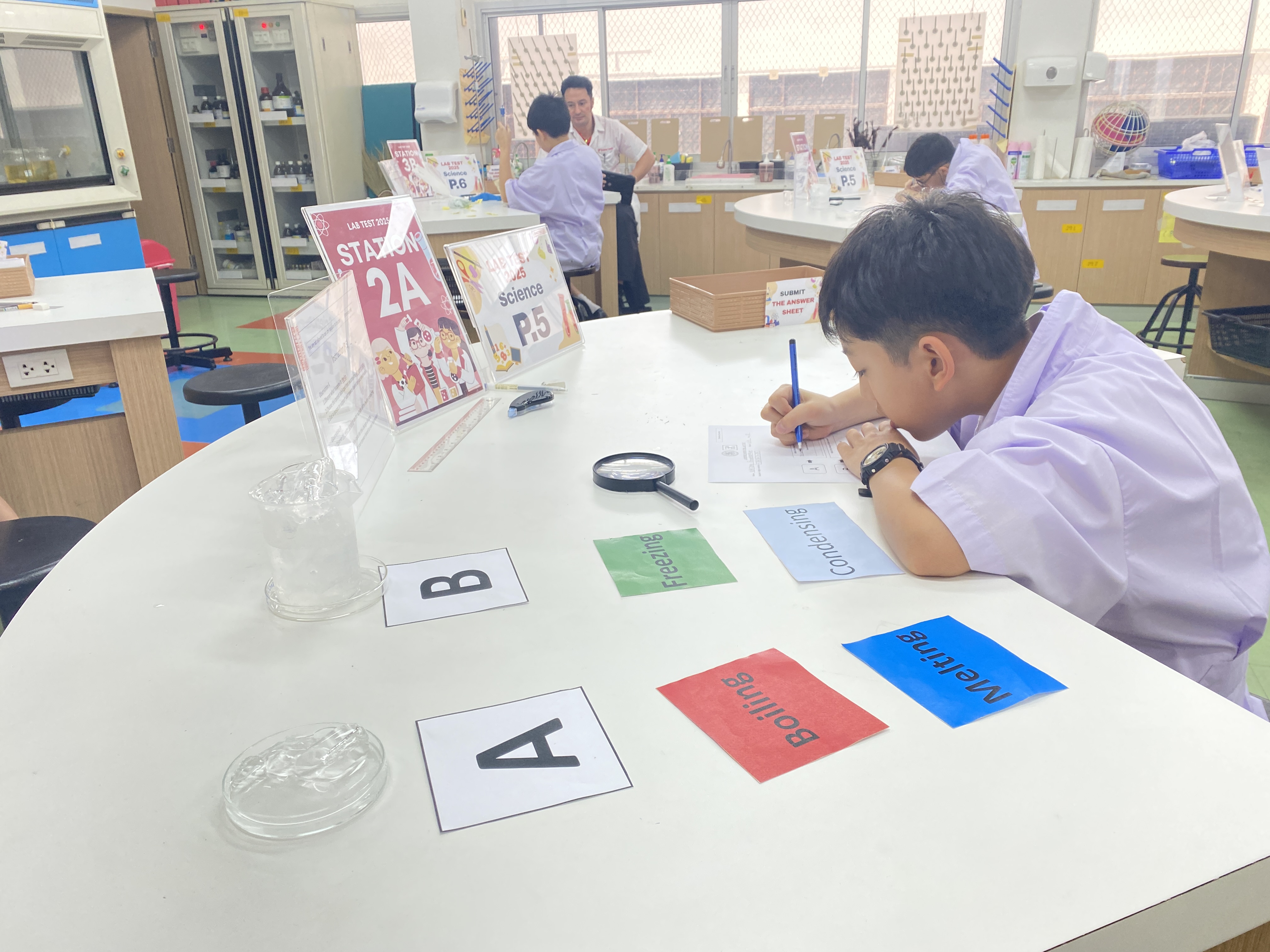
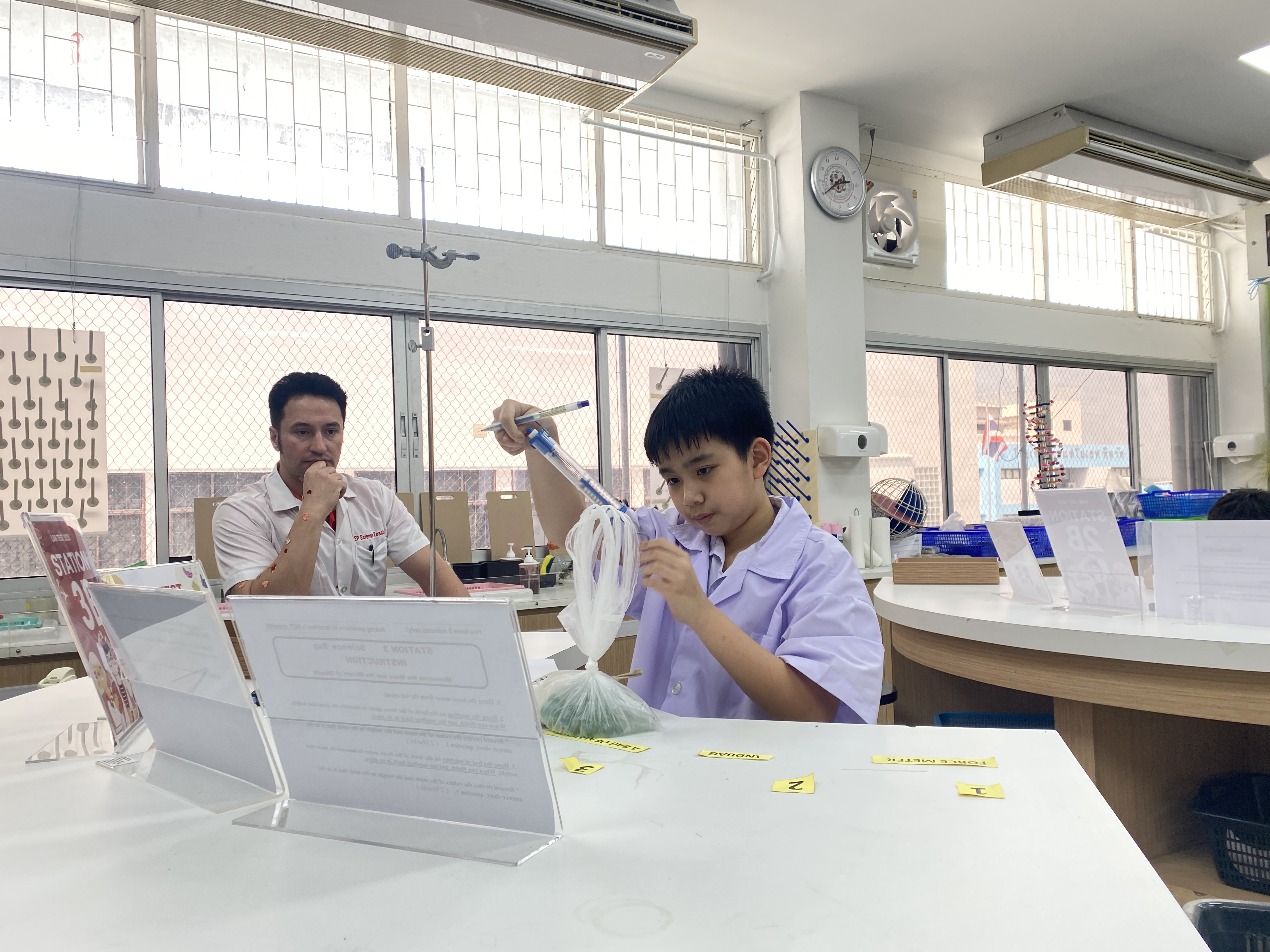
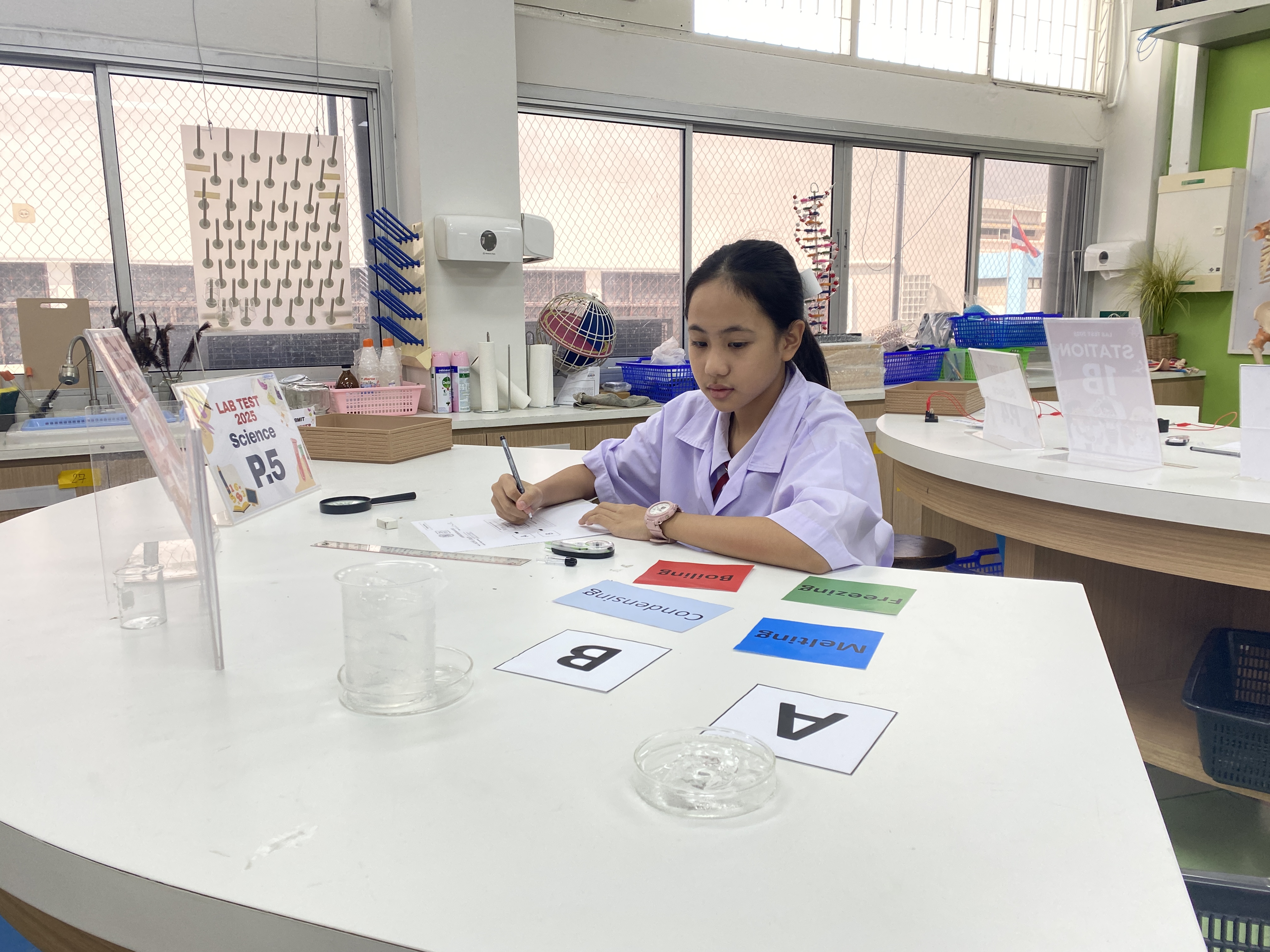
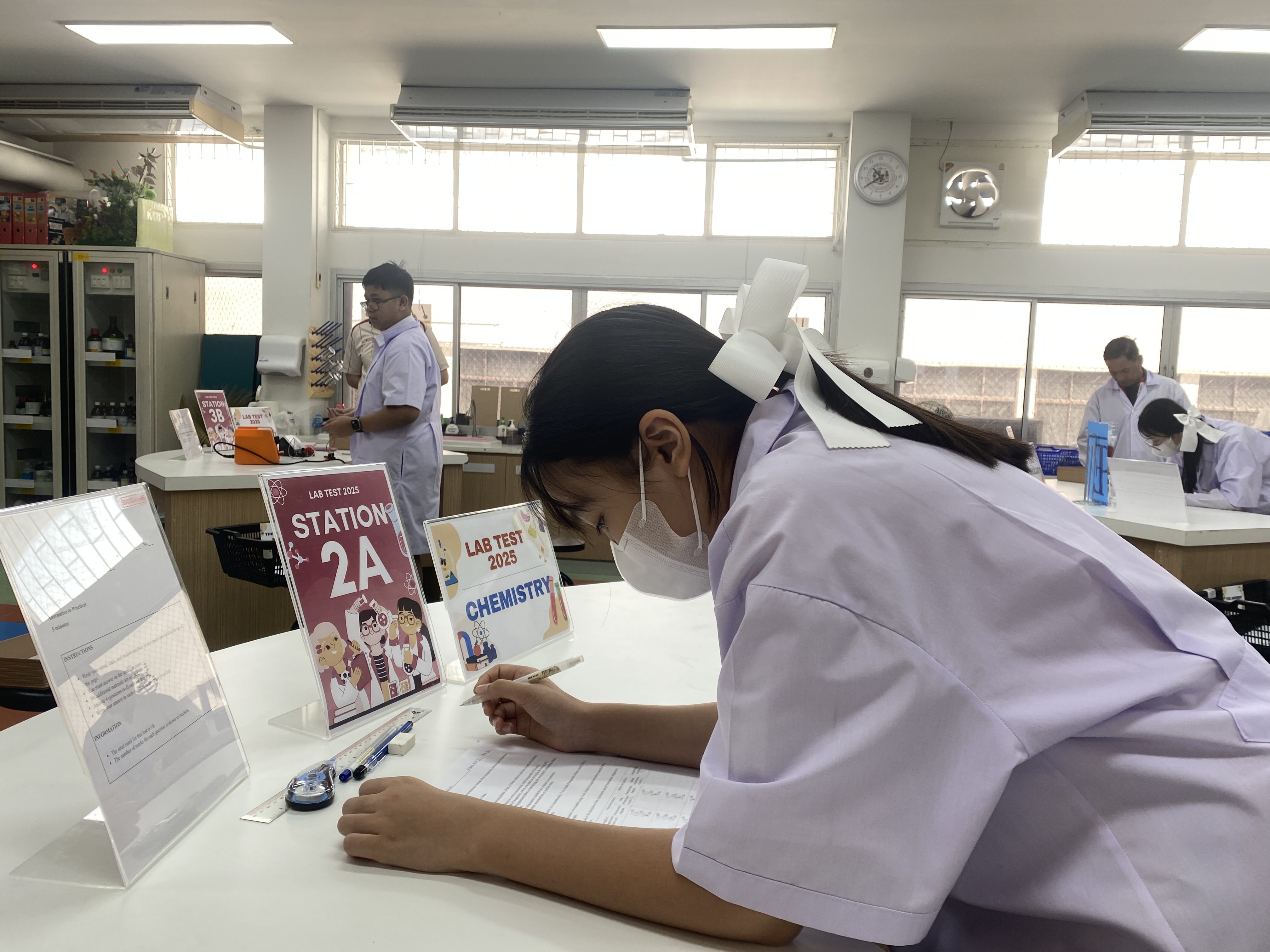
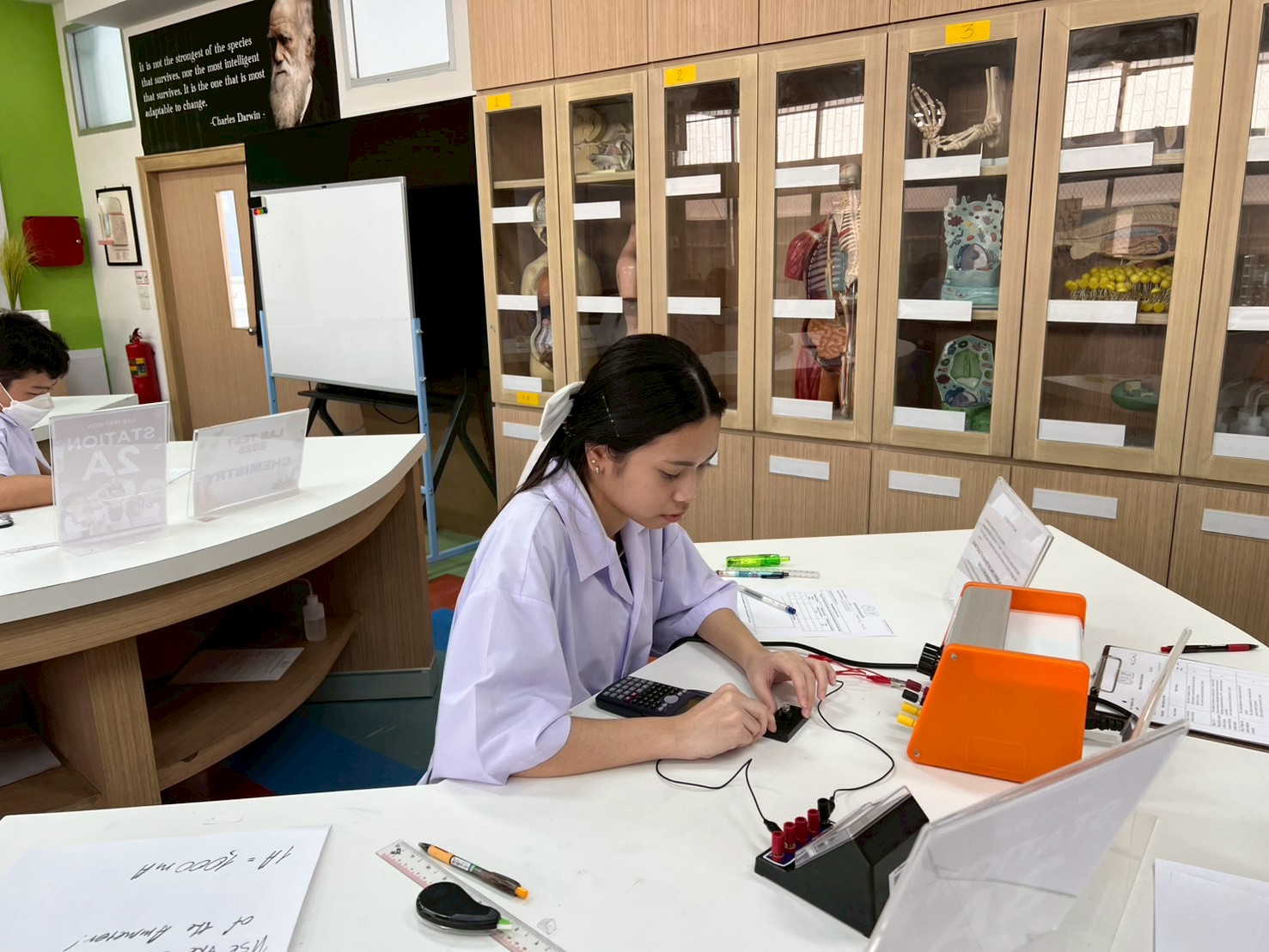
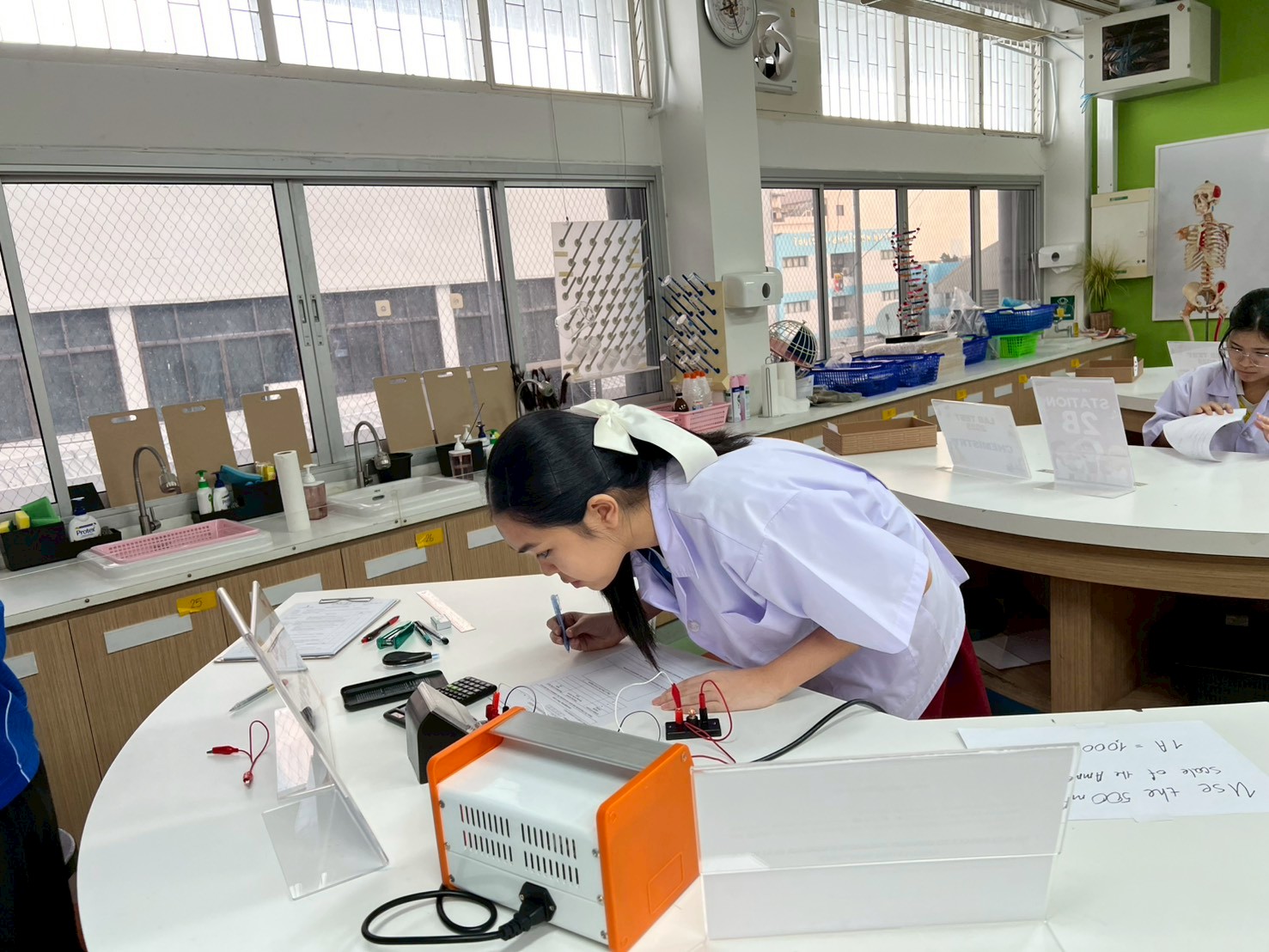
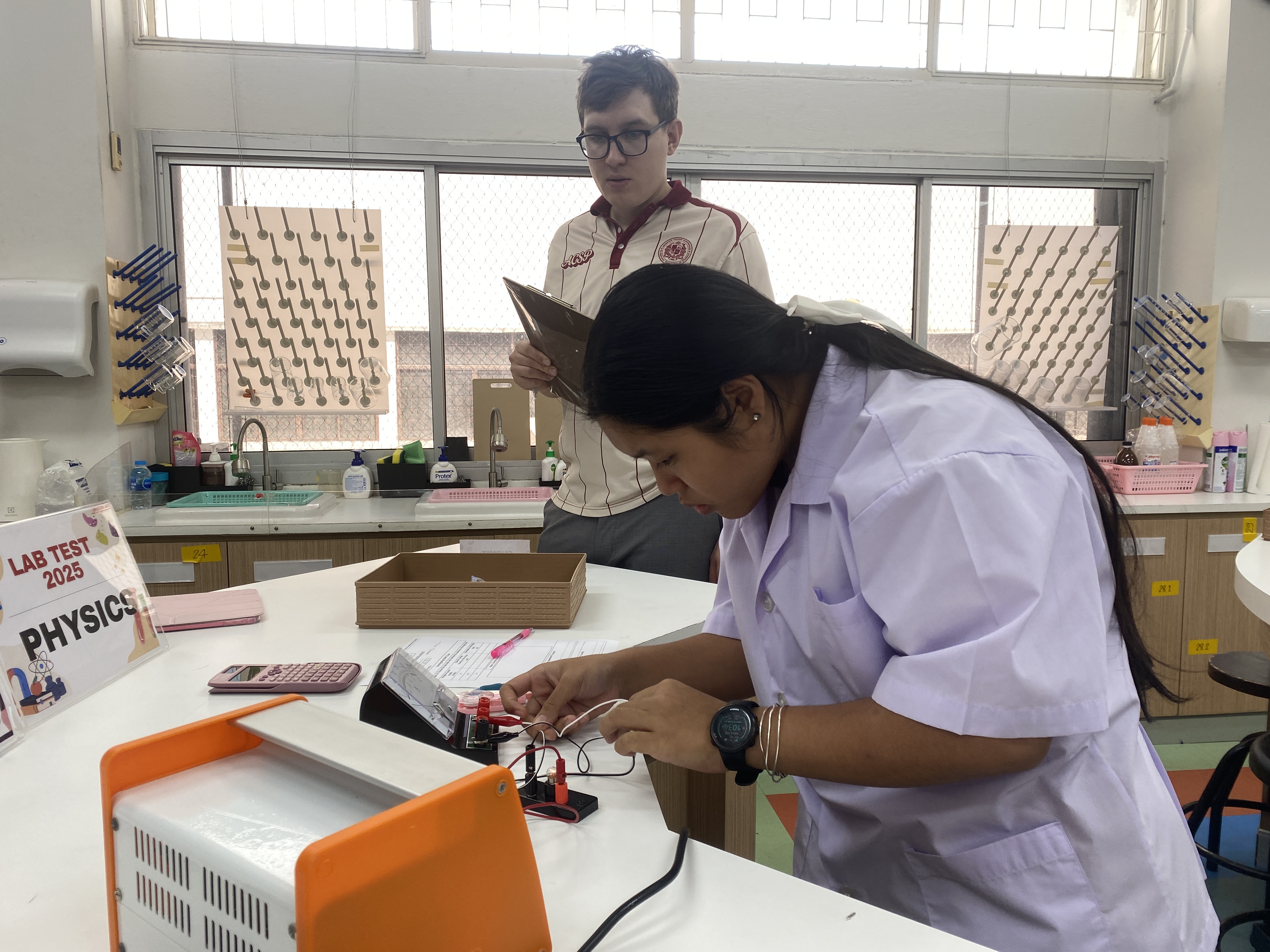
Primary 6 students were assessed in several key areas. They demonstrated their understanding of electrical concepts by identifying different types of circuits, interpreting circuit symbols, and predicting the conductivity of various materials. They also applied observation skills to identify changes in the state of matter and explain these changes using evidence gathered during the experiments. In addition, they practiced scientific measurement by using a force meter accurately, recording weight in newtons and mass in grams, and showing an understanding of the relationship between mass and weight.
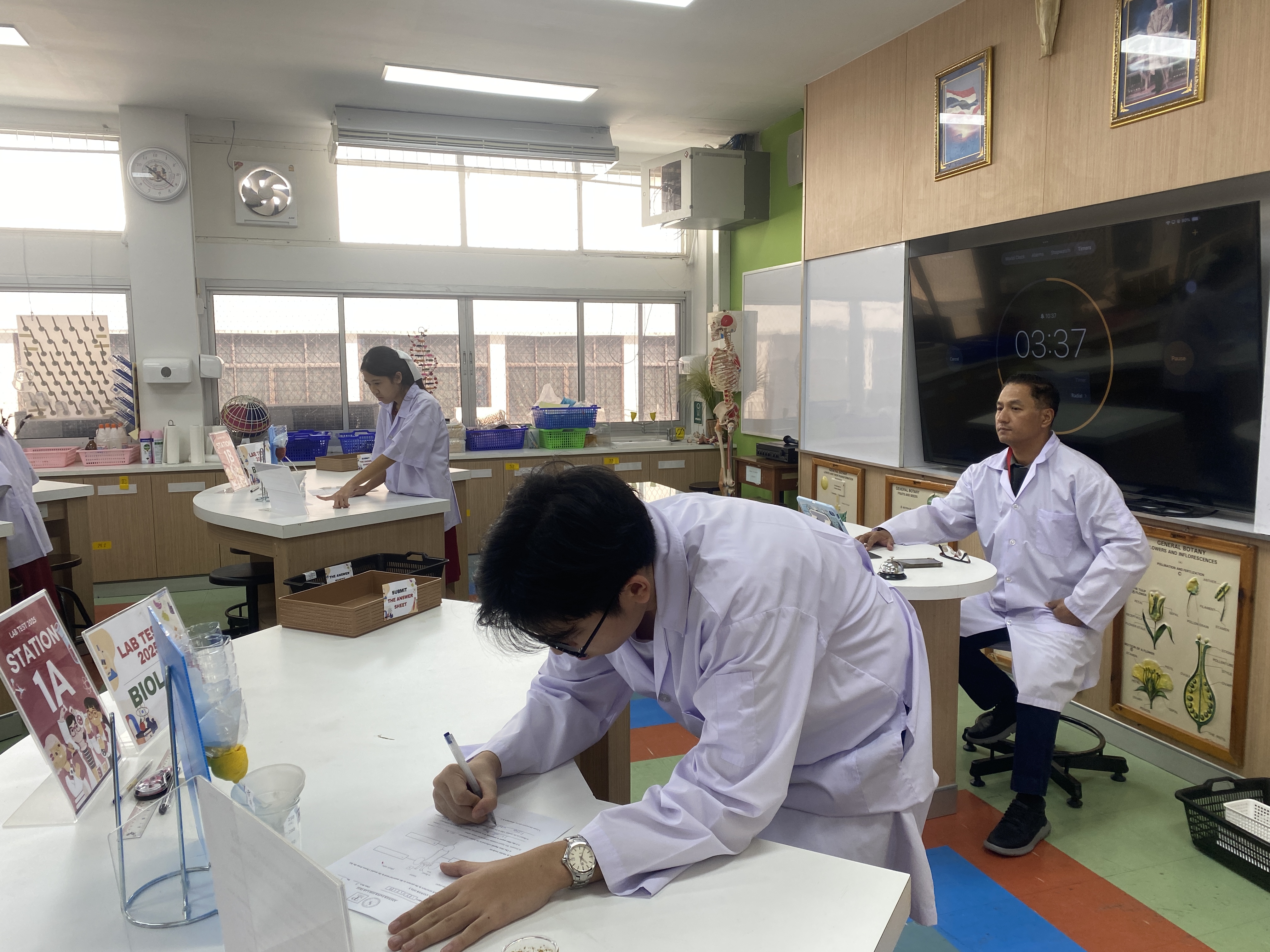
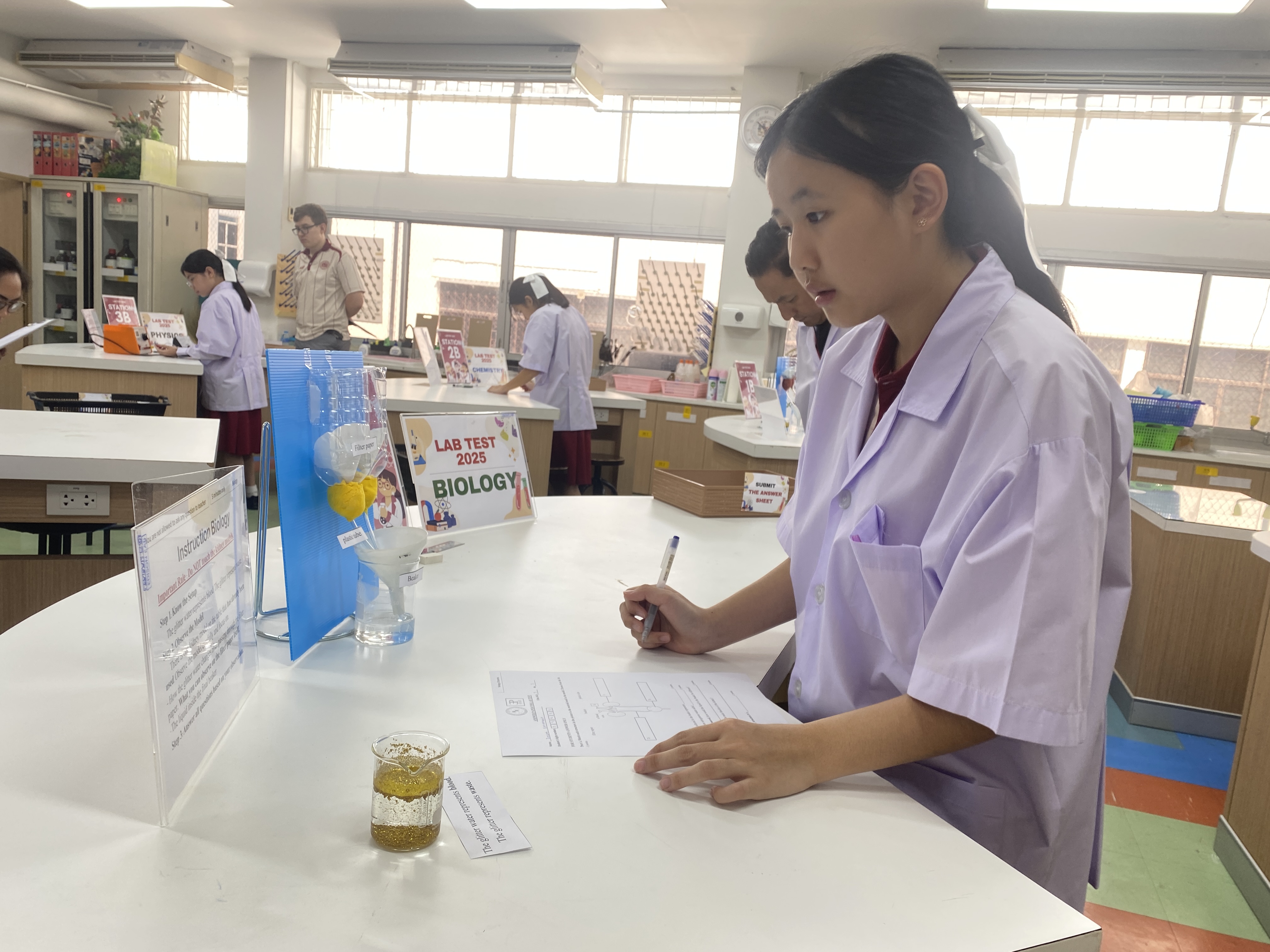
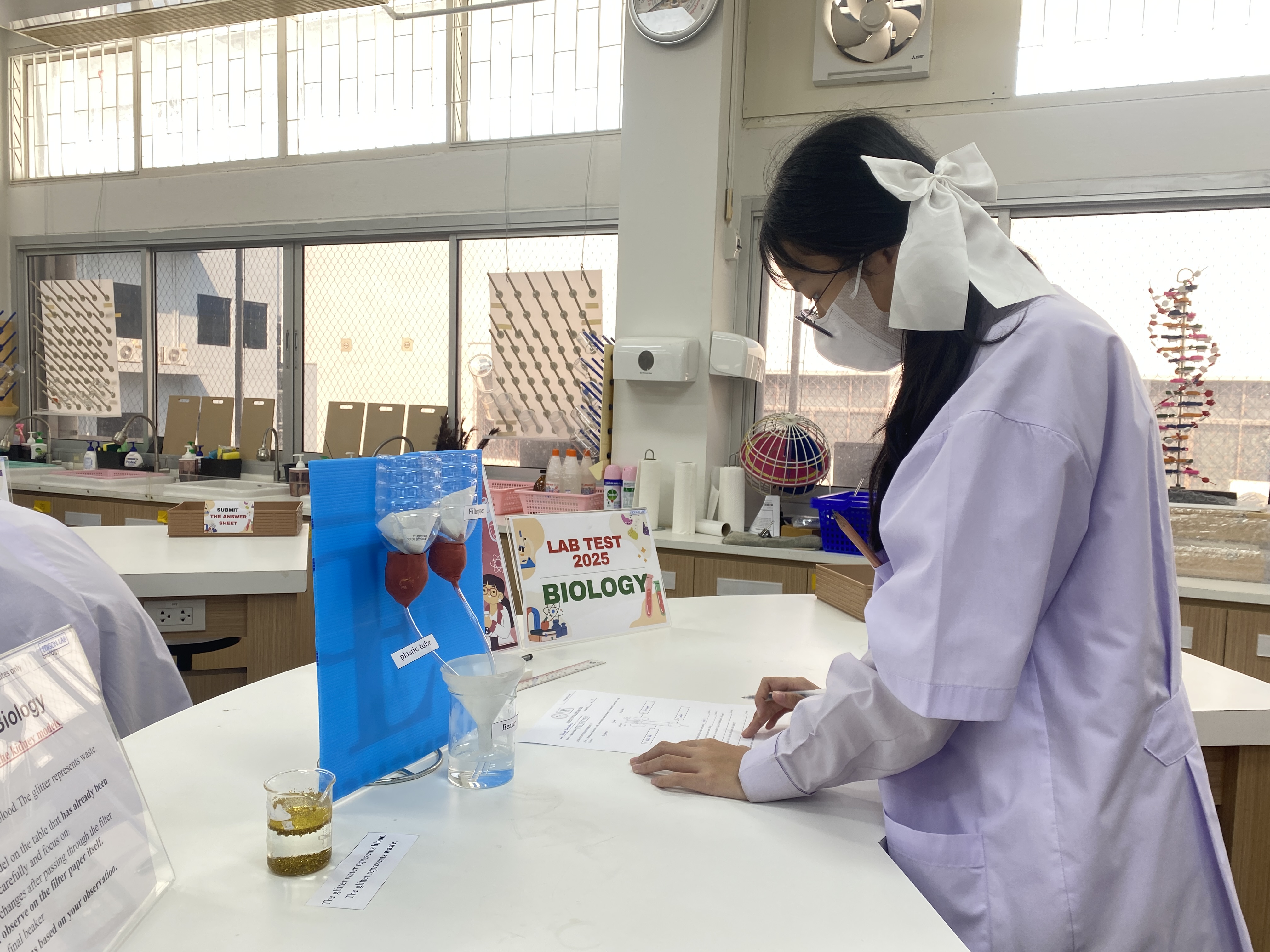
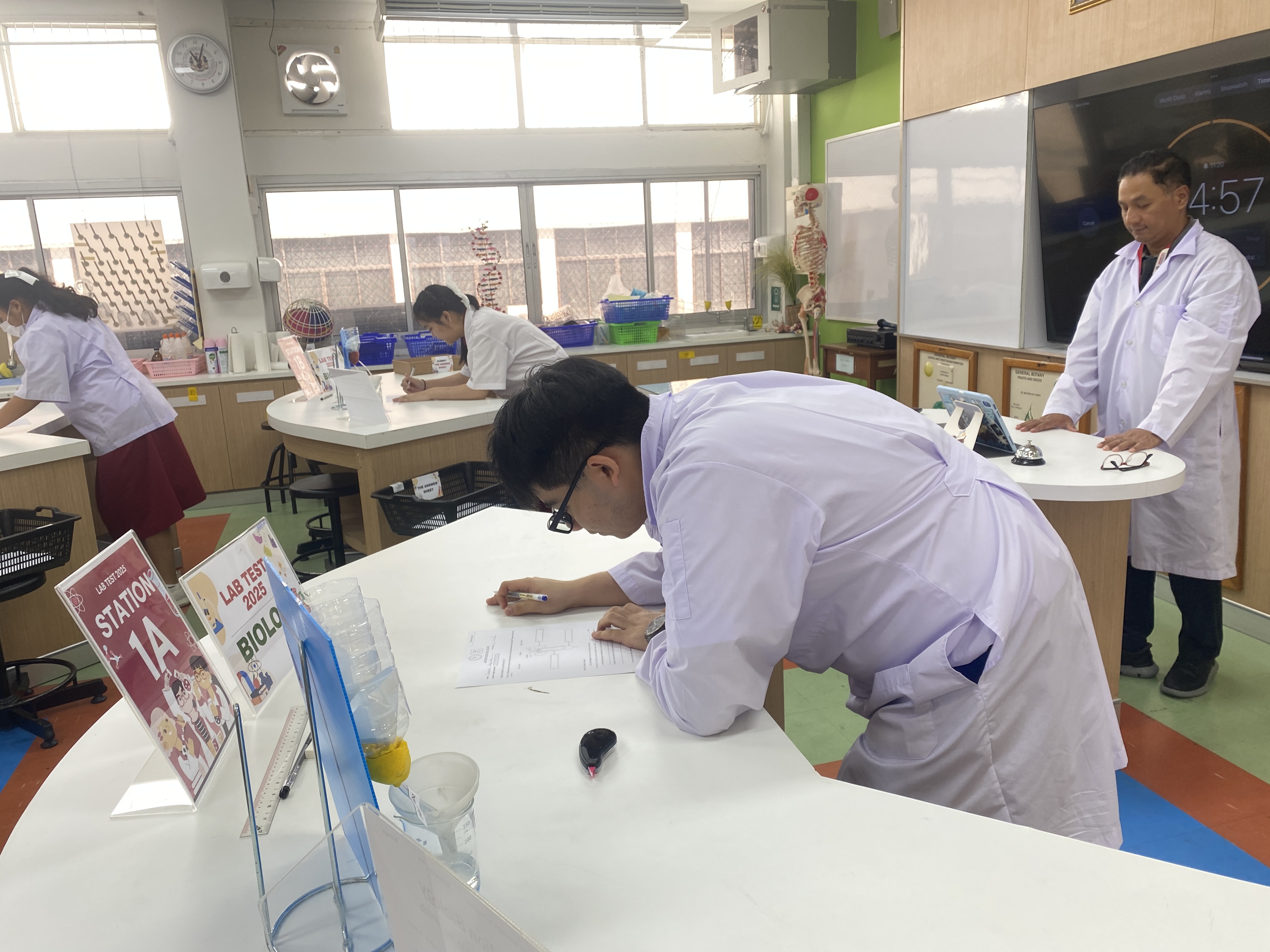
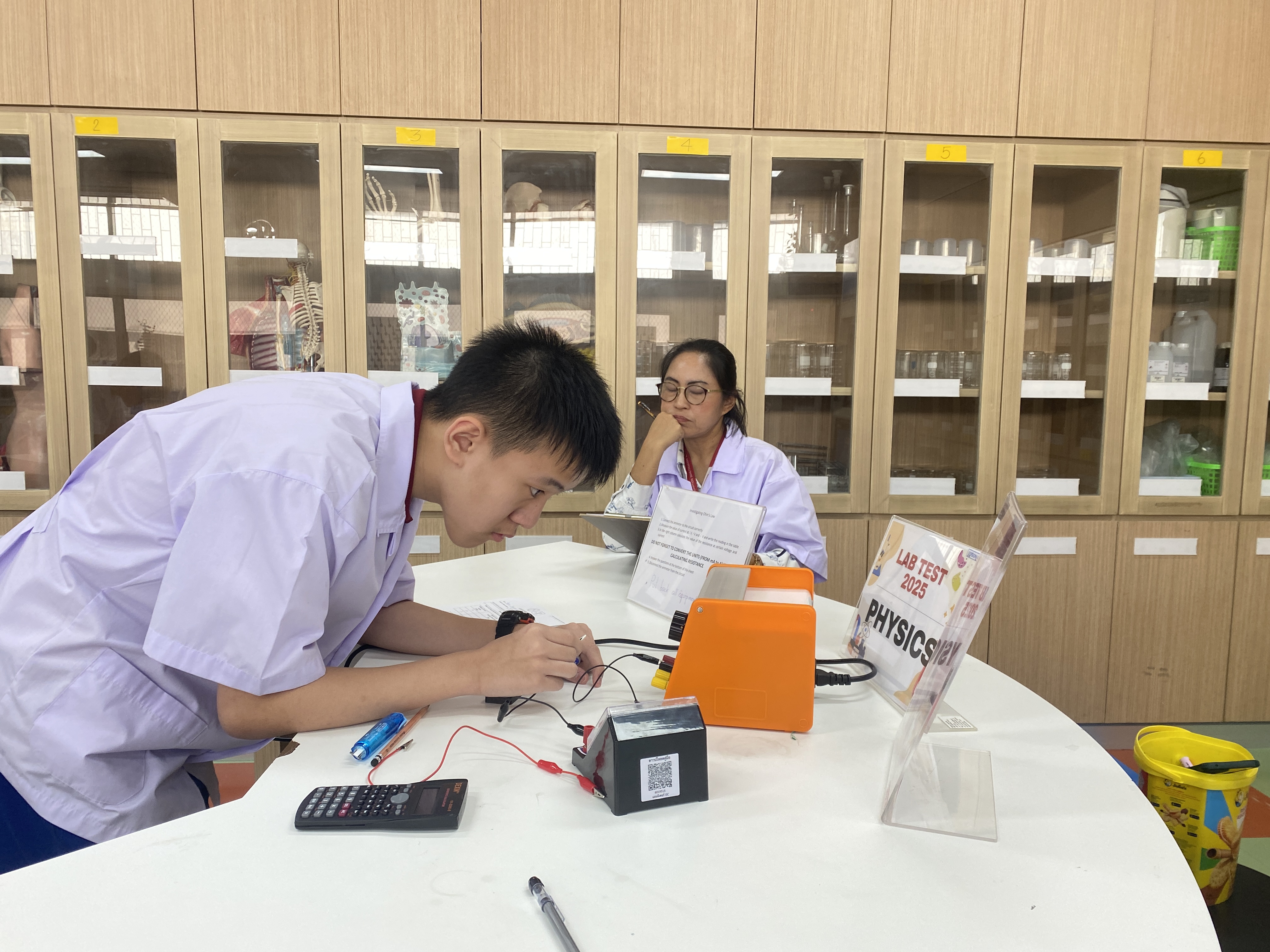
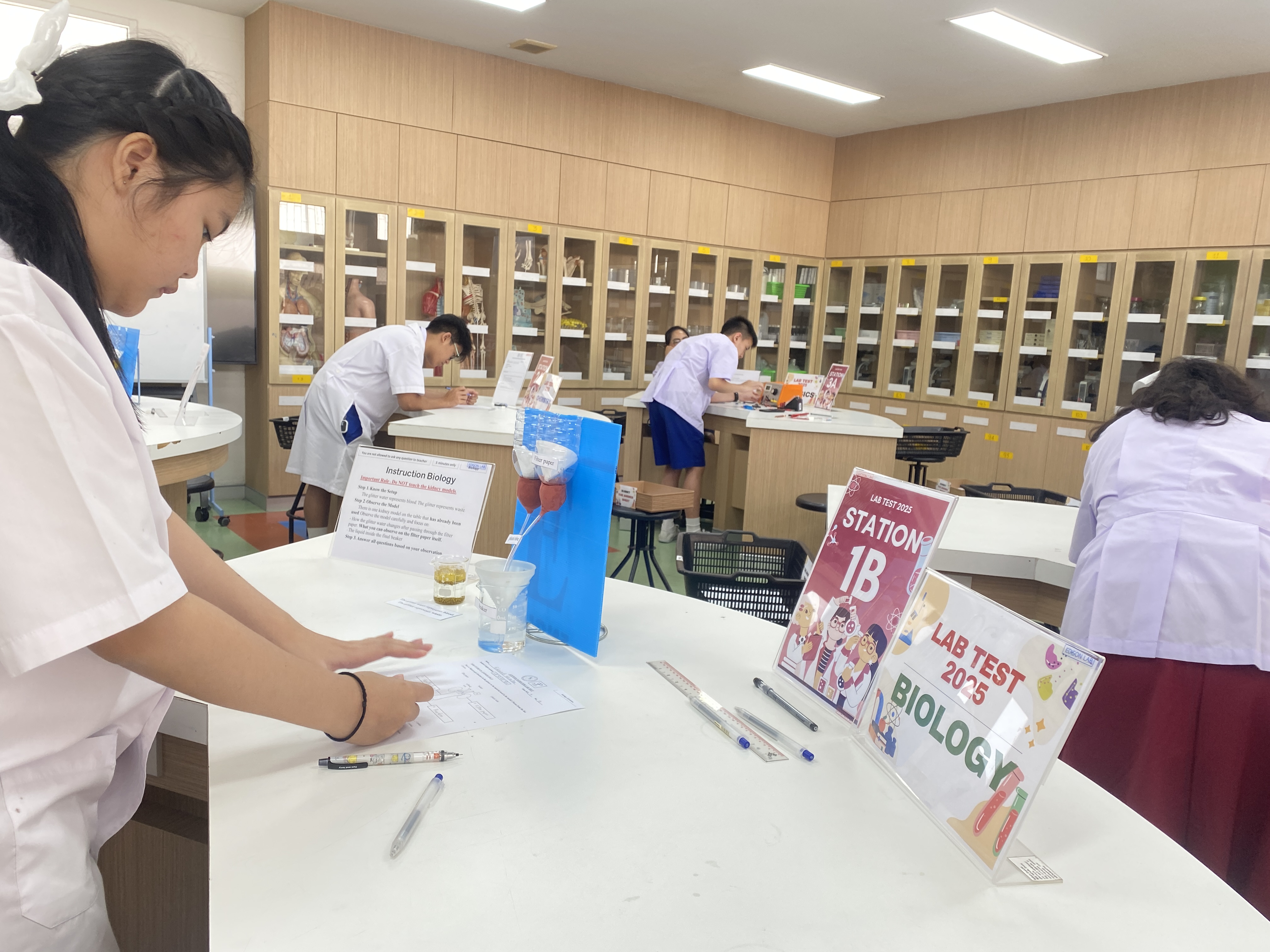
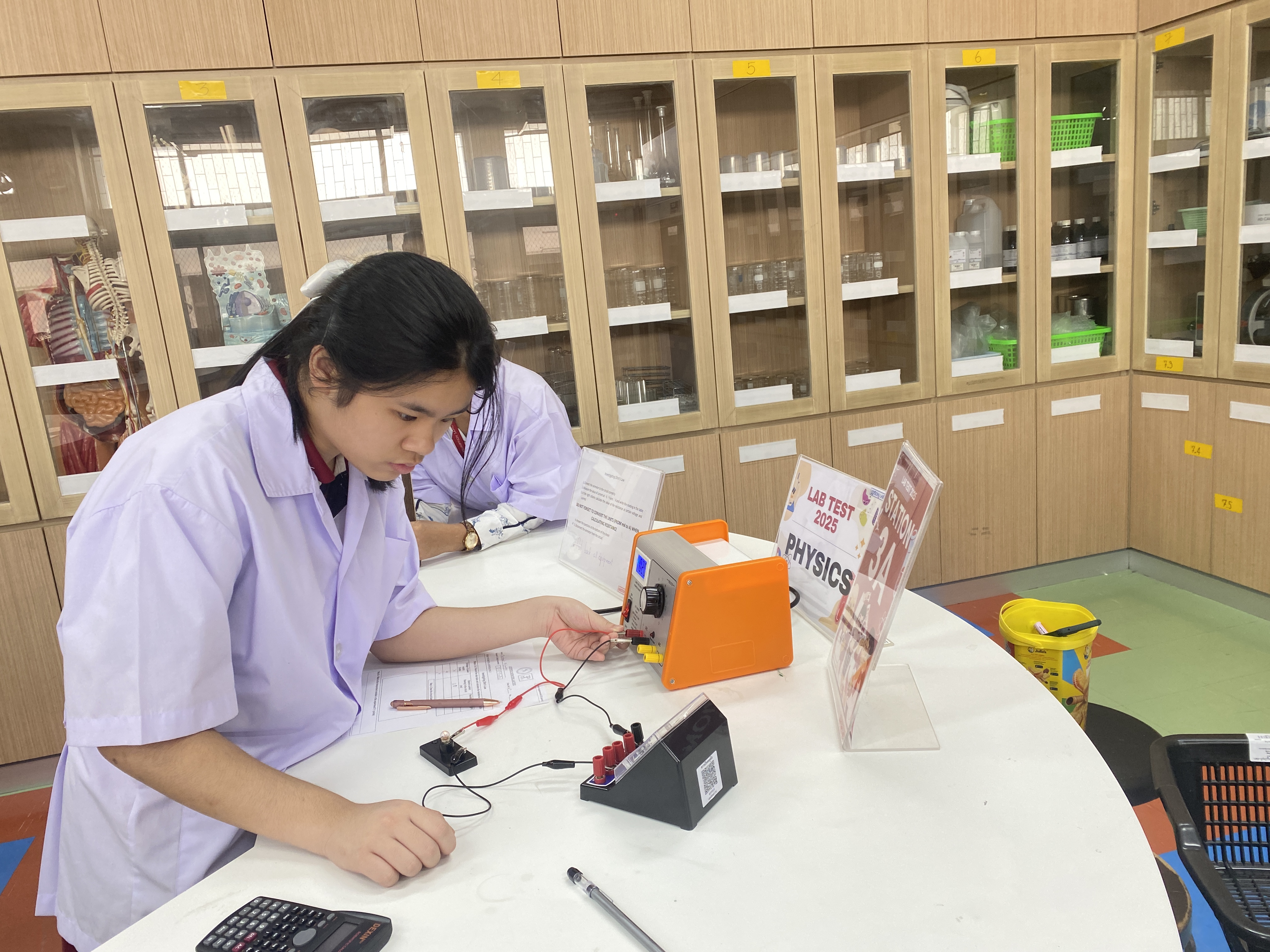
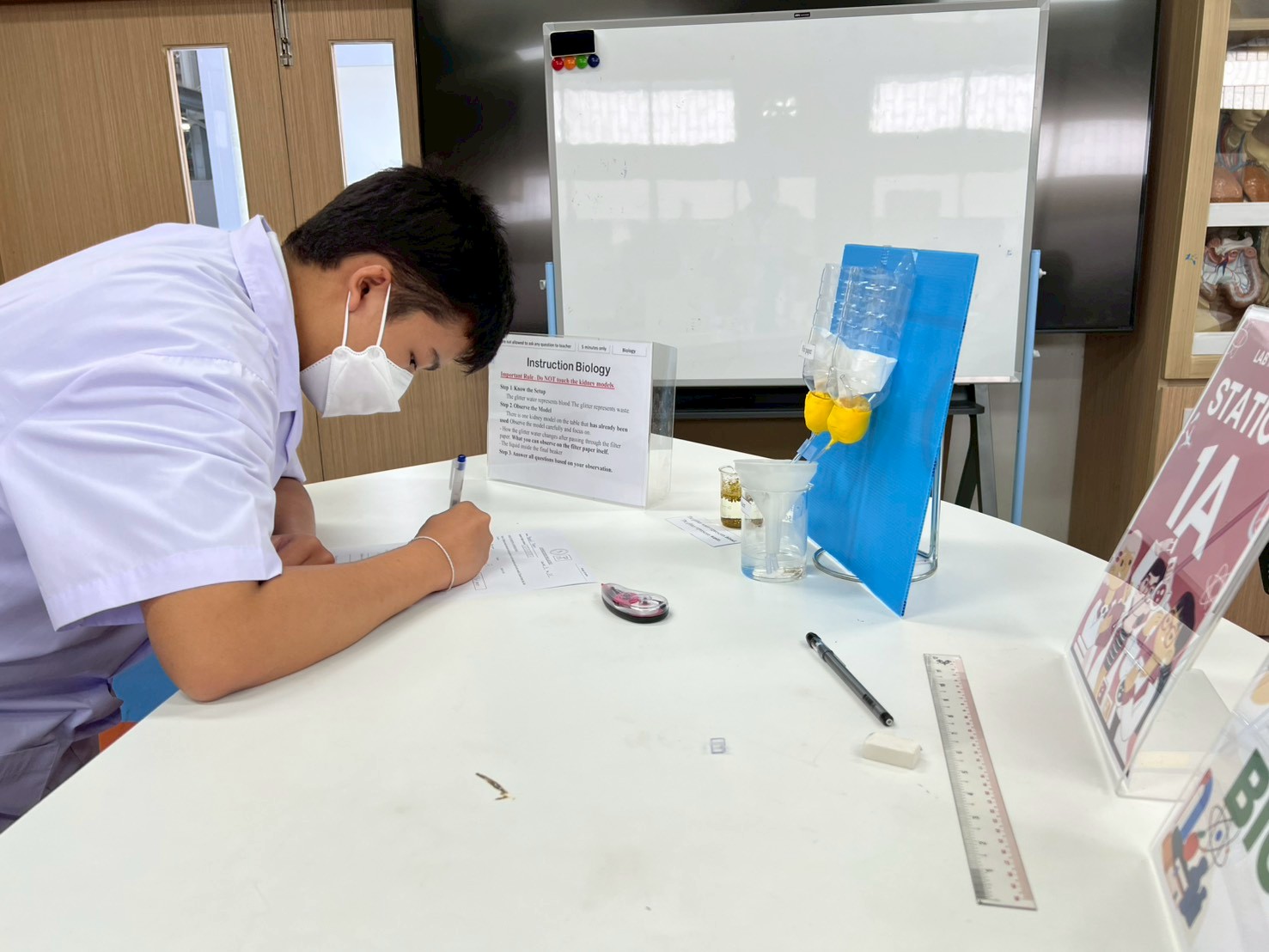
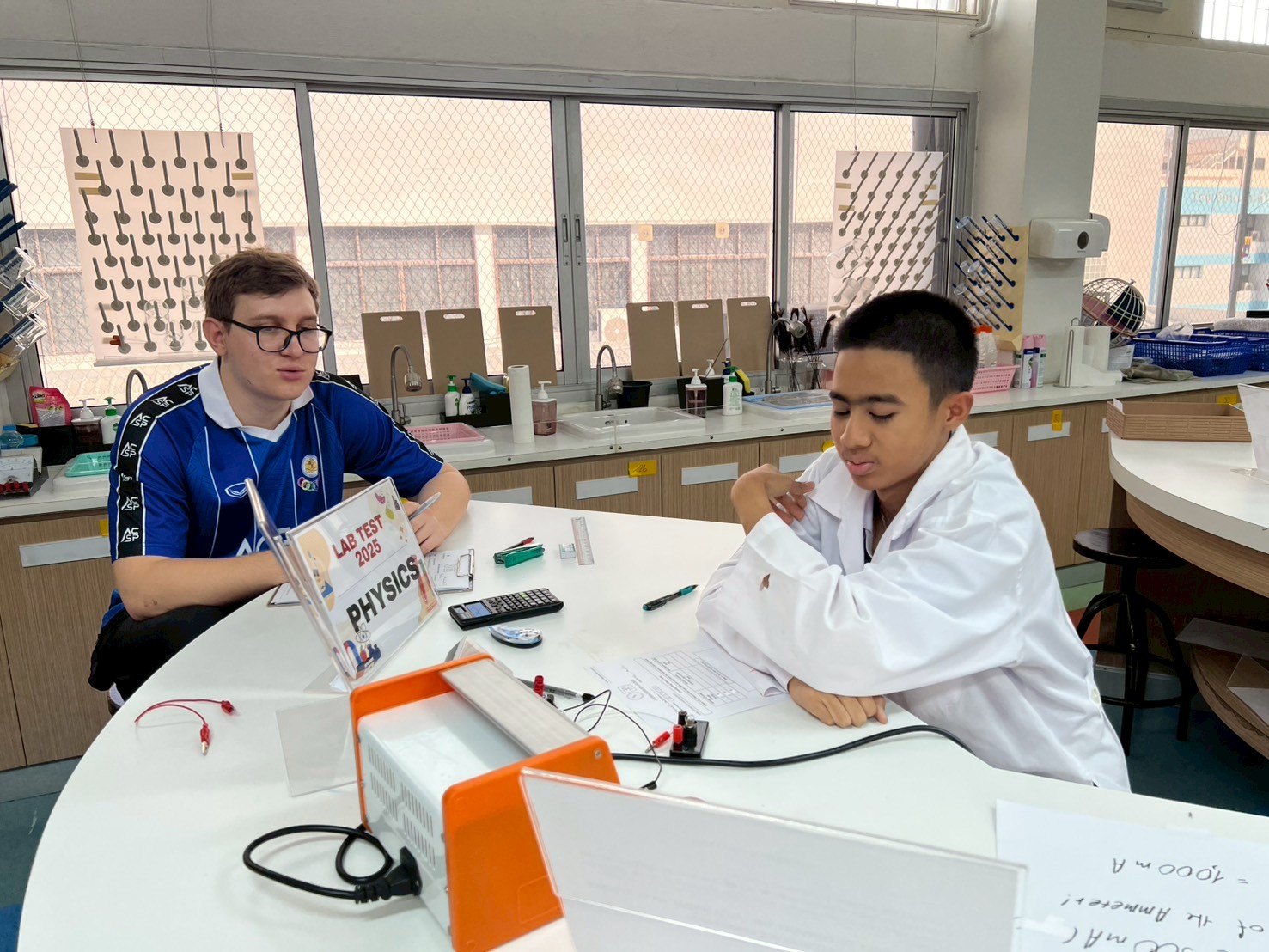
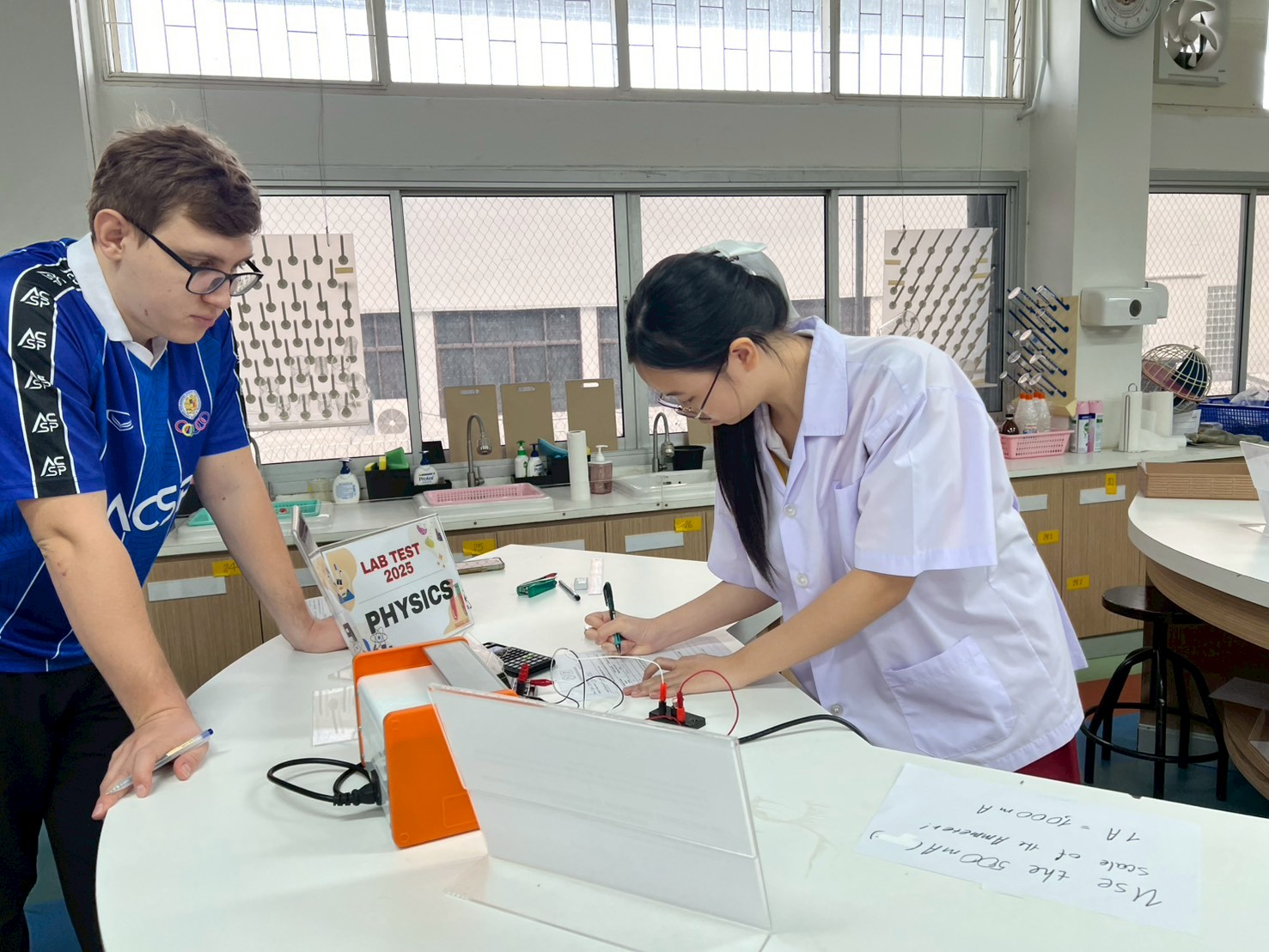
Meanwhile, Secondary 3 students engaged in more advanced laboratory tasks. They applied and interpreted scientific models to explain kidney function, filtration, and waste removal, using analytical reasoning and clear scientific communication. Students also carried out controlled experiments involving temperature changes, systematically recording their data and interpreting results. Furthermore, they demonstrated electrical investigation skills by assembling circuits, measuring current, calculating resistance accurately recording to their findings, and drawing circuit diagrams.
Overall, the Science Lab Test 2025 provided students with a valuable opportunity to showcase their conceptual understanding, analytical thinking, and practical laboratory skills. The experience supported their growth as young scientists and aligned their learning with international academic standards.