MATHAYOM 2 STUDENTS EXPLORE THE WORLD OF AGRICULTURE
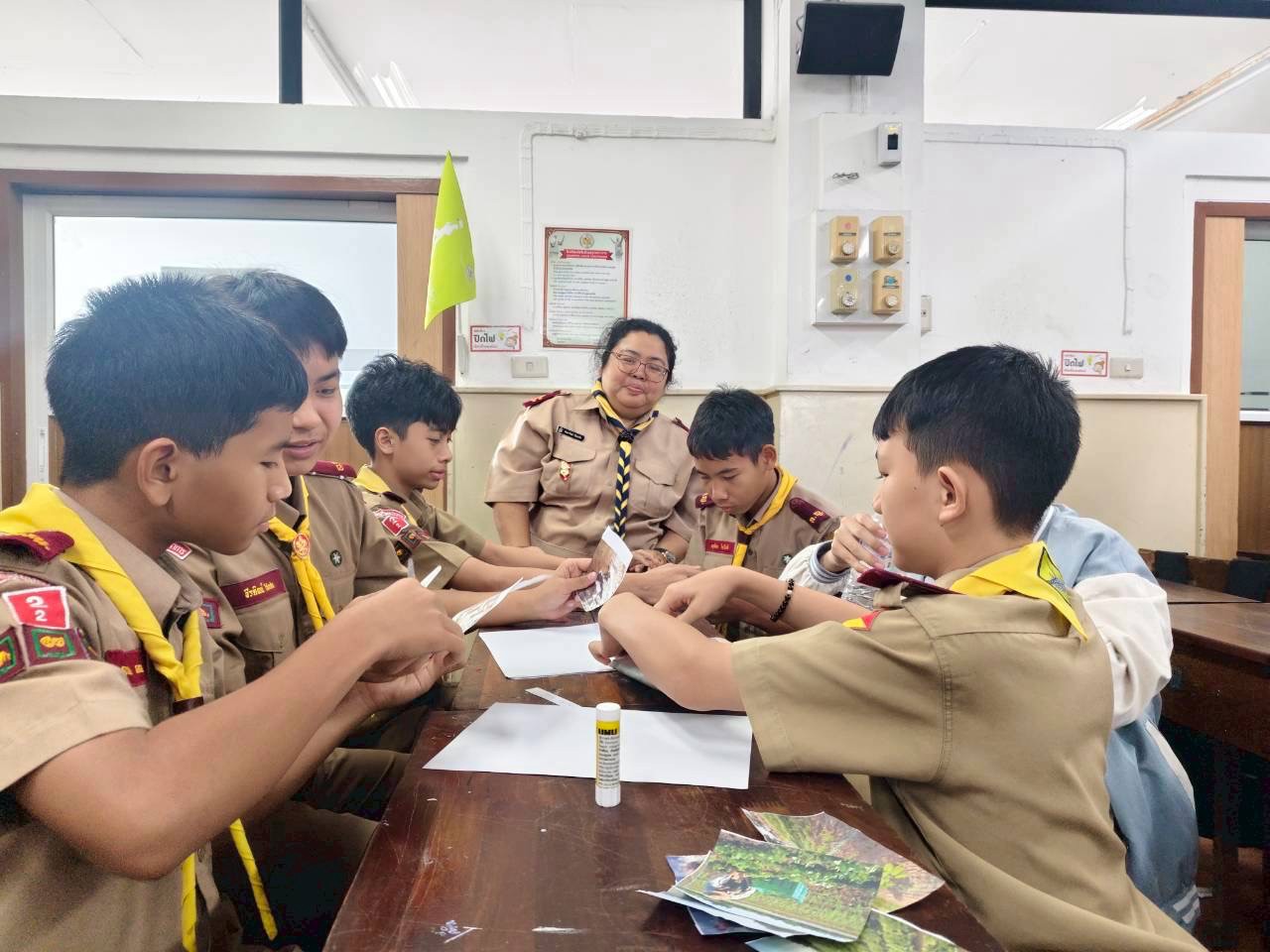
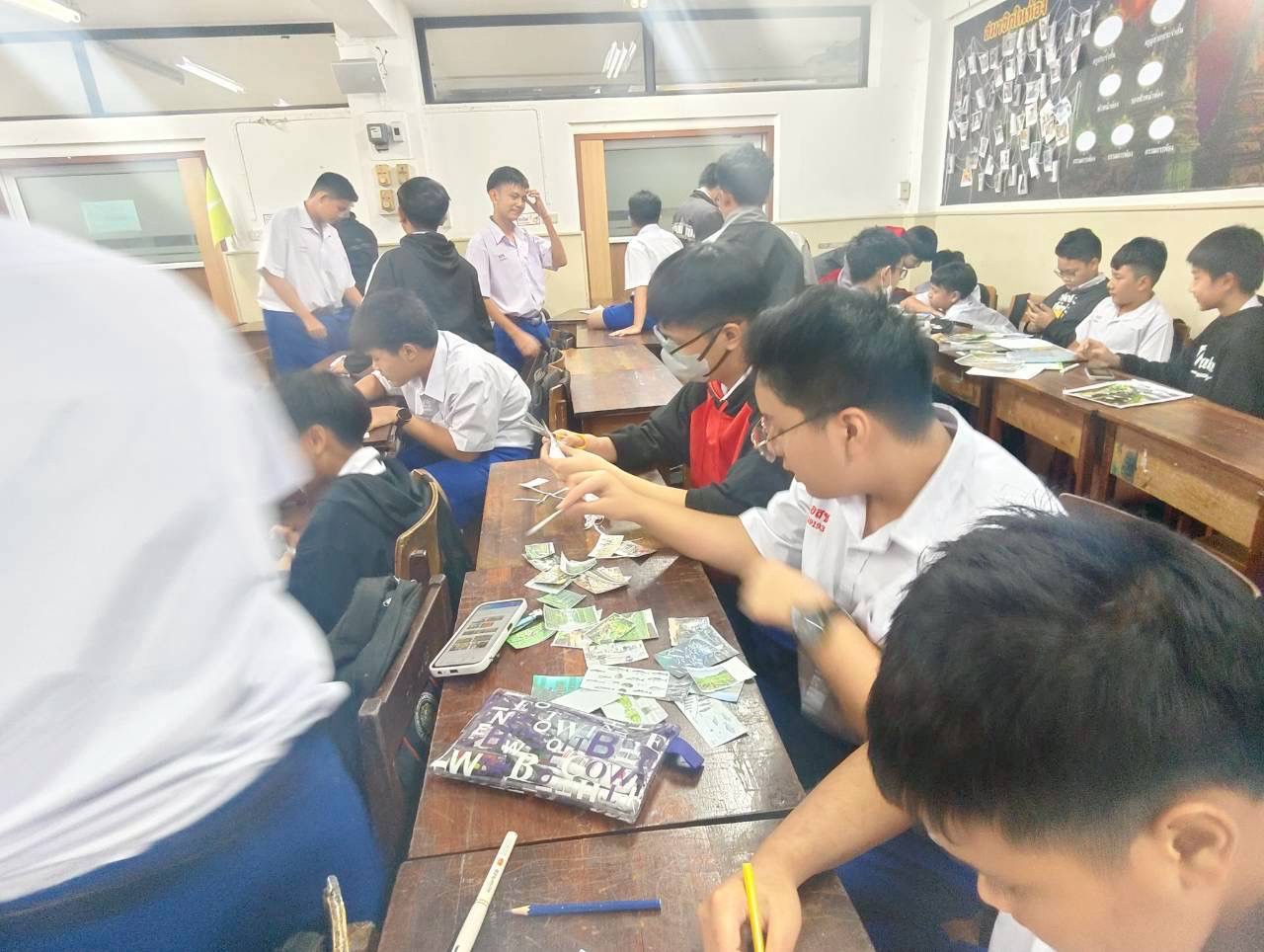
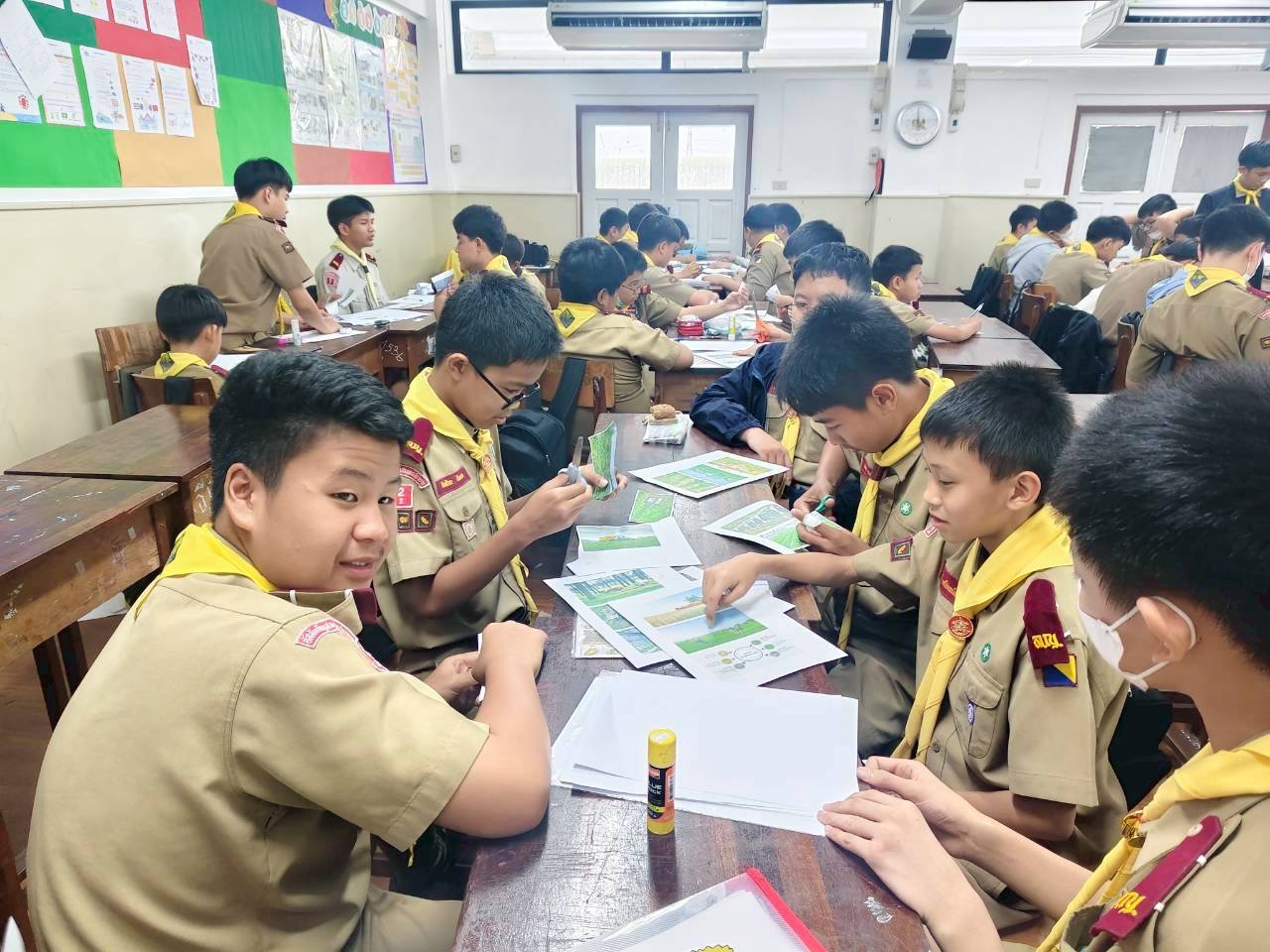
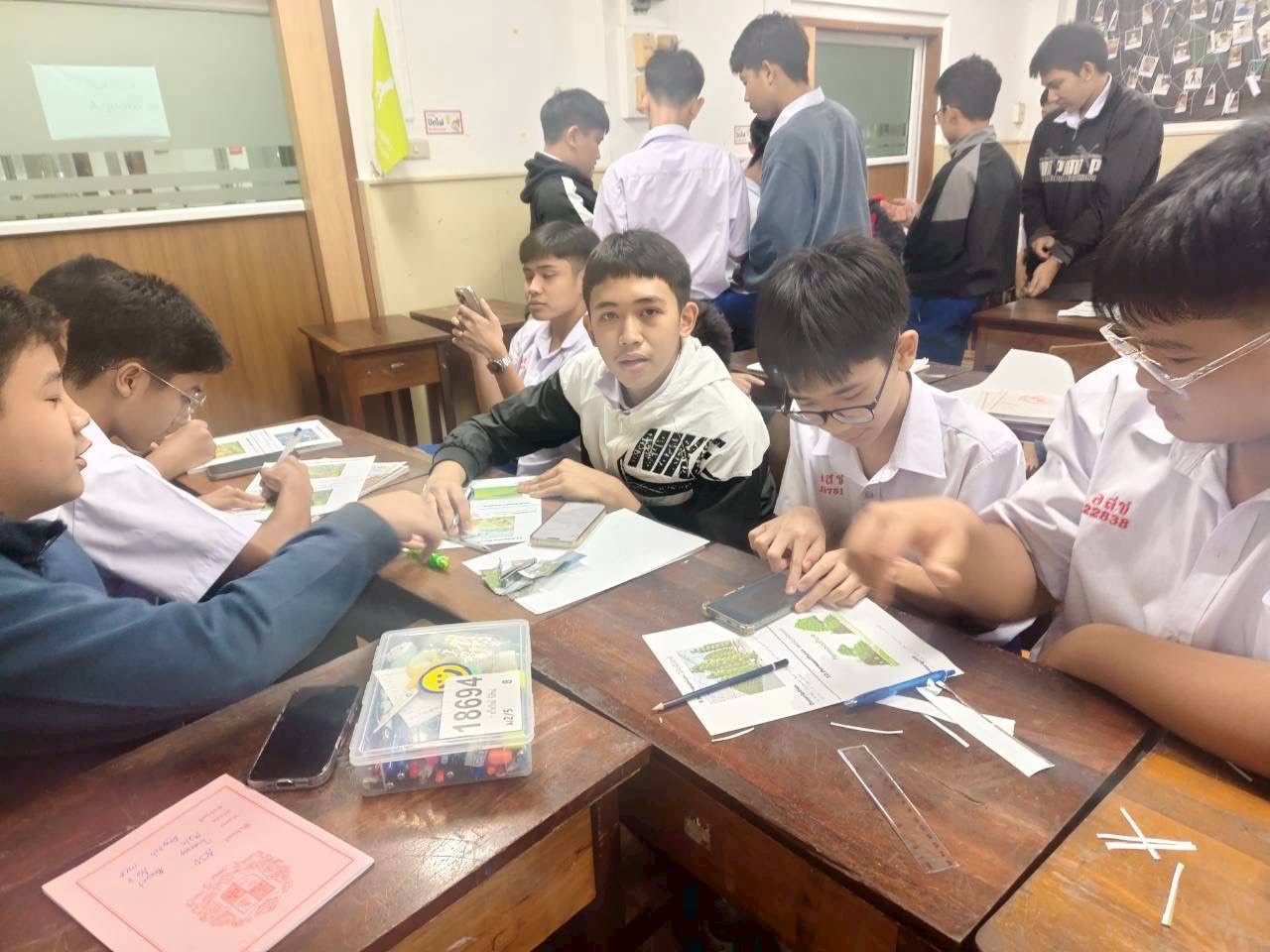
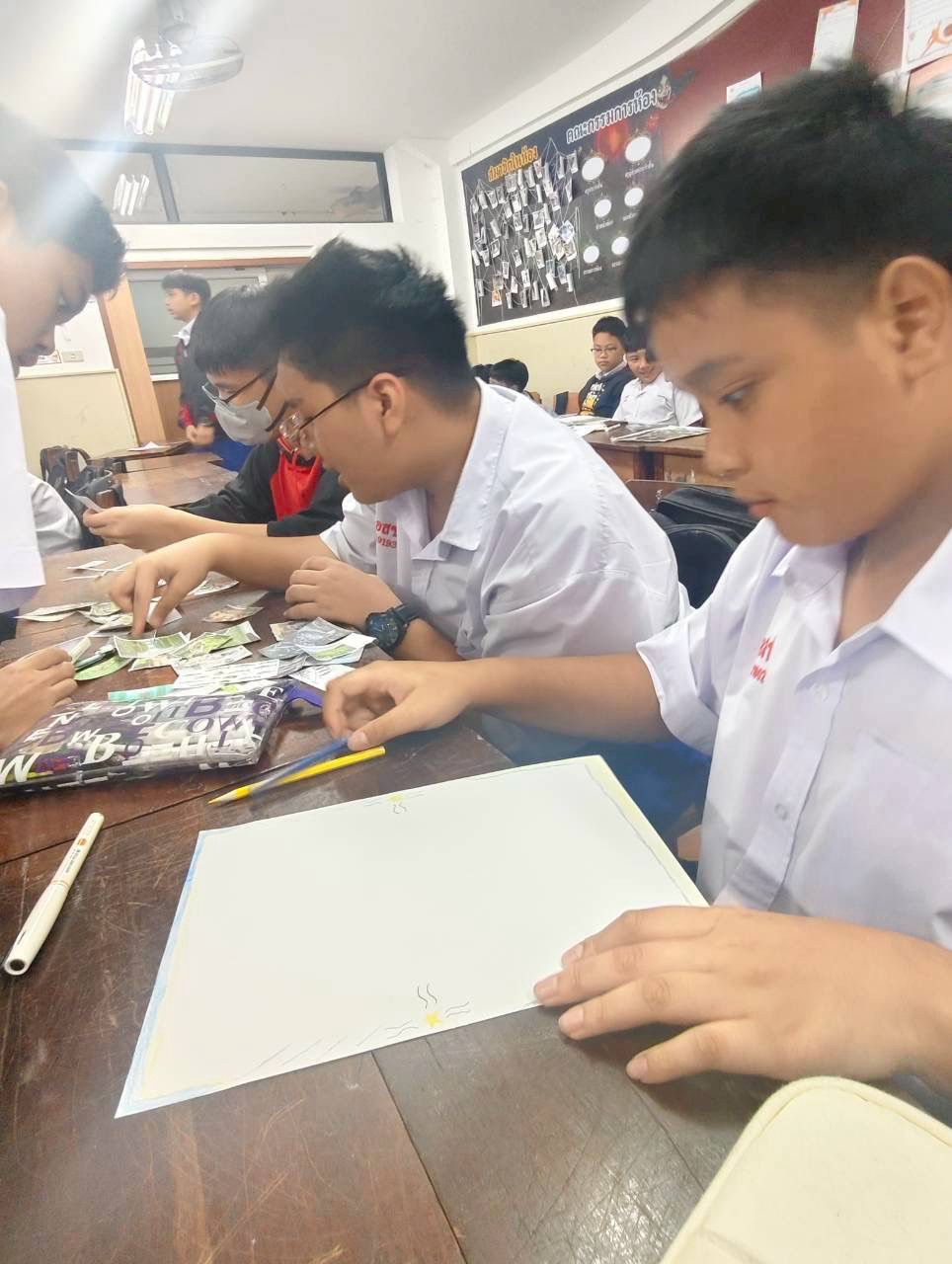
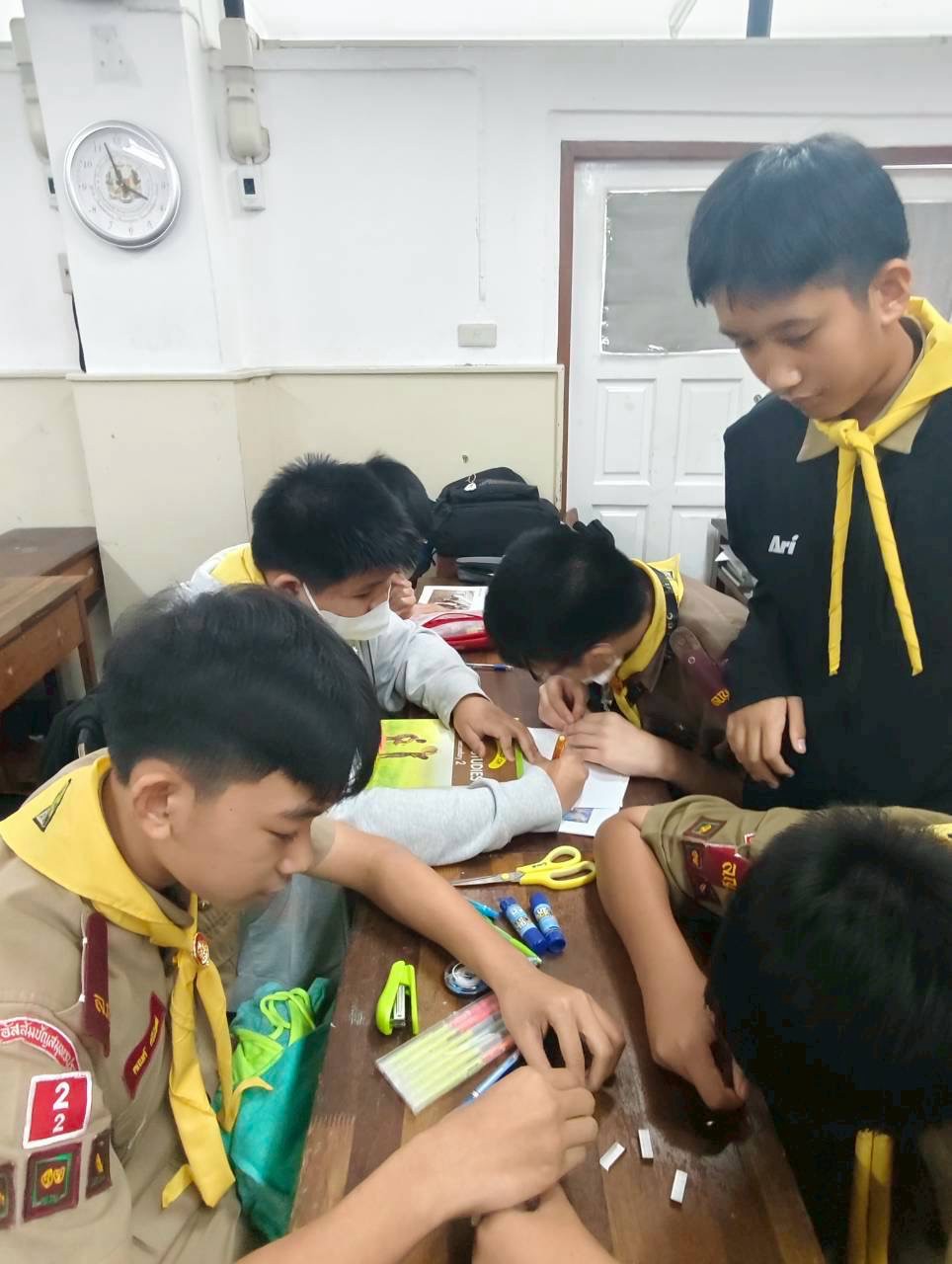
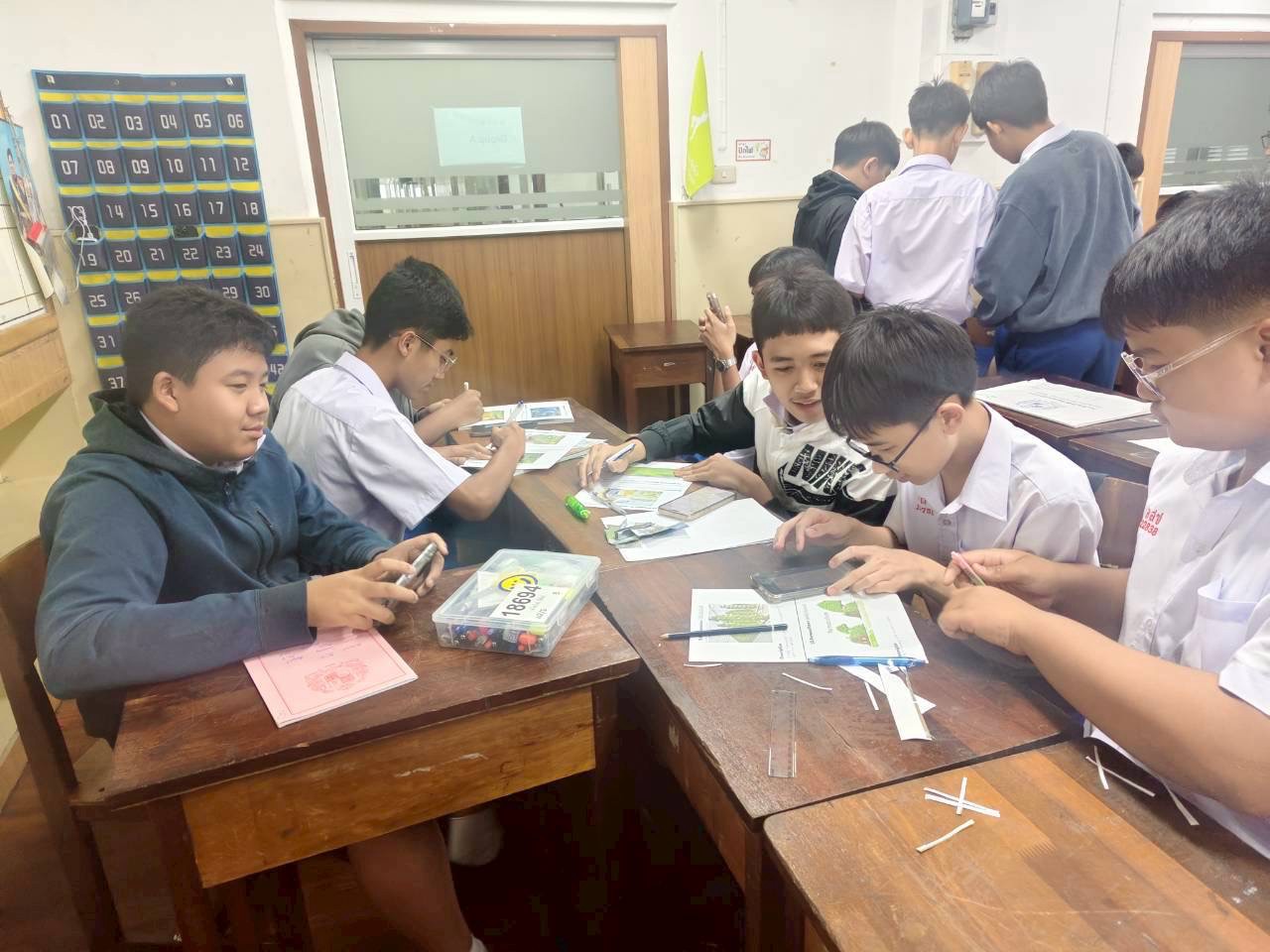
Our M2 students recently rolled up their sleeves for a hands-on, collaborative social studies project. Working in teams of 7 to 8, the students joined forces to create comprehensive visual portfolios showcasing the diverse world of global agriculture.
The classroom transformed into a bustling hub of research and design. Each group was tasked with investigating different farming methods, discovering their real-world applications, and presenting their findings creatively.
How The Project Came Together
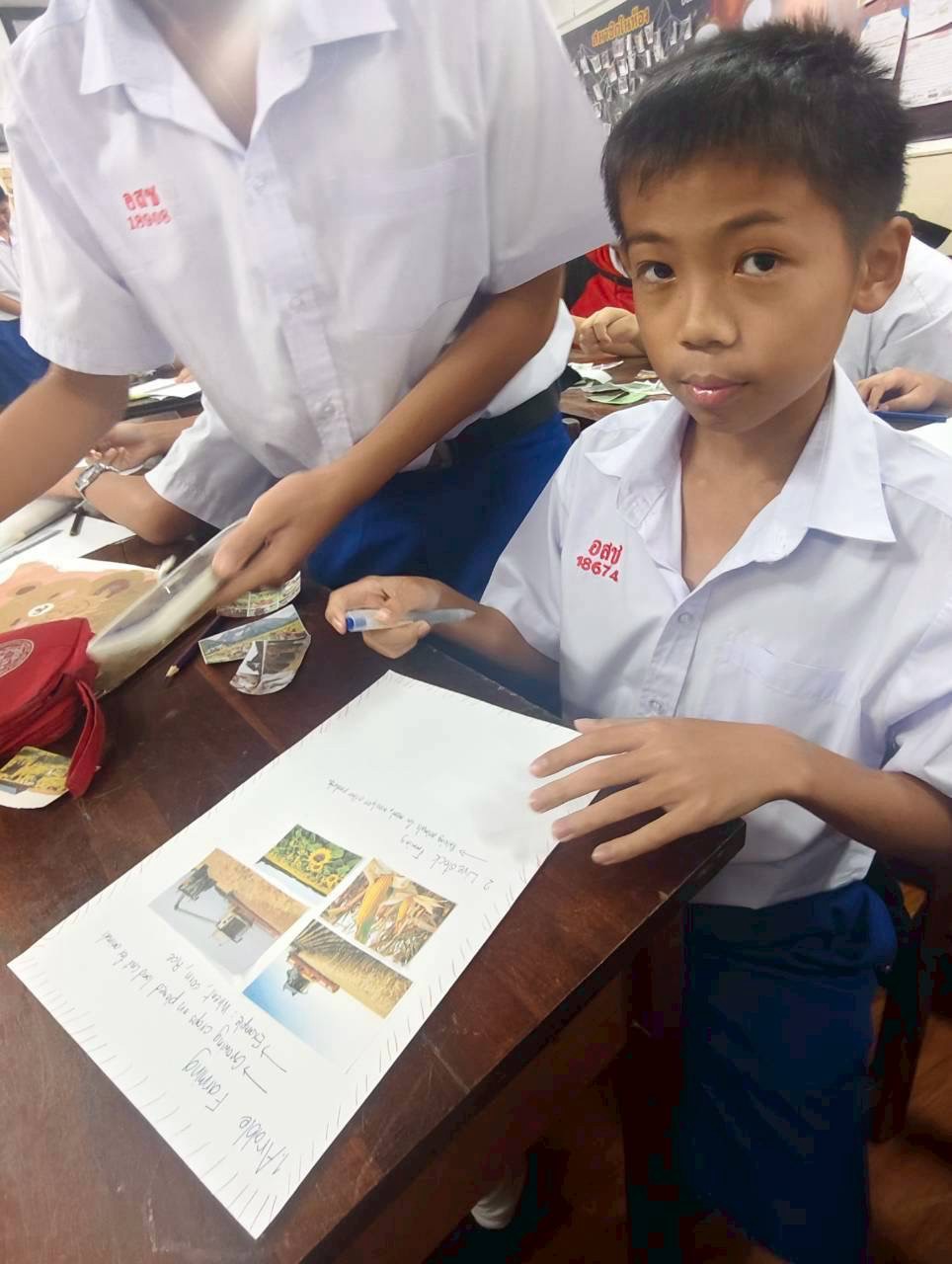
Visual Research: Students curated and cut out pictures representing various
agricultural practices from digital prints.
Deep-Dive Definitions: Teams collaborated to research the precise meanings, history,
and environmental impacts of each farming type.
Real-World Examples: Every entry required concrete examples, linking the farming methods to specific countries and regions where they are practiced today.
Some Agricultural Styles Featured
Arable & Livestock Farming: Investigating the production of crops growing in fields
alongside traditional animal husbandry.
Dairy & Poultry Farming: Looking into specialized animal agriculture focused on milk
production and raising domesticated birds.
Aquaculture & Hydroponics: Exploring modern, water-based systems for farming
aquatic organisms and growing plants without soil.
Organic & Cooperative Farming: Analyzing sustainable, chemical-free production
methods and community-driven agricultural models.
Silvopasture & Permaculture: Understanding ecological designs that integrate trees
with livestock grazing or mimic natural ecosystems.
Intensive & Extensive Farming: Comparing high-input, high-yield systems against large-scale, lower-input farming styles.
This project gave our M2 students a brilliant opportunity to practice teamwork, delegate tasks effectively, and sharpen their research skills. The final compilations are packed with color, facts, and insights, showing a mature understanding of how agriculture shapes societies and economies worldwide.